


Structural Steel for Power Plants in the USA: Why Midwest Steel Matters
Product Menu
- Steel Bar
- Powder High-speed Steel
- Aerospace Alloy Bar
- Aerospace Alloy Sheet
- Titanium Alloy Strip Coil/Sheet/Foil
- Titanium Alloy Pipe and Fitting
- Aluminum Strip Coil/Sheet
- Stainless Steel Strip Coil/Sheet
- Hot-rolled Steel Strip Coil/Sheet
- Cold-rolled Steel Strip Coil/Sheet
- Galvanized Steel Strip Coil/Sheet
- Color-coated Steel Strip Coil/Sheet
- Seamless Steel Pipe
- Welded Steel Pipe
- H-shaped Steel
- Angle Steel/Channel Steel
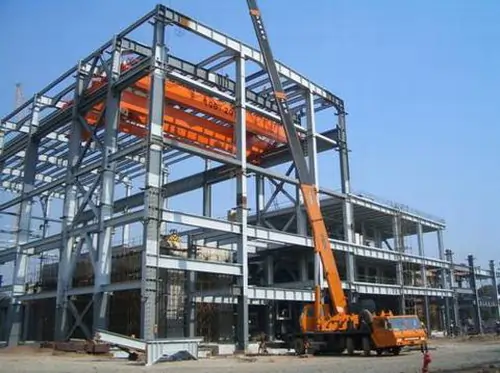
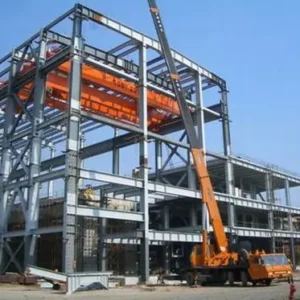
The energy sector in the United States depends heavily on durable, high-performance materials, and structural steel stands at the center of this demand. From massive coal-fired plants to modern renewable energy facilities, structural steel provides the backbone that supports critical infrastructure. Companies like Midwest Steel Supply play a vital role in ensuring that power plants are built with reliability, strength, and long-term performance in mind.
This article explores the importance of structural steel in U.S. power plants, its applications, benefits, and why sourcing from trusted suppliers is essential for large-scale energy projects.
The Role of Structural Steel in Power Plants
Power plants are complex engineering systems that require materials capable of handling extreme conditions—high temperatures, heavy loads, vibrations, and environmental stress. Structural steel is widely used because it offers a unique combination of strength, flexibility, and durability.
In the U.S., power plants—whether nuclear, gas, wind, or solar—require structural frameworks that can support turbines, boilers, cooling towers, and transmission systems. Structural steel forms the skeleton of these facilities, ensuring stability and safety over decades of operation.
Key Applications of Structural Steel in Energy Infrastructure
1. Turbine and Generator Support Structures
Turbines and generators are among the heaviest components in a power plant. Structural steel beams and columns provide the support necessary to handle their immense weight while maintaining alignment and efficiency.
2. Boiler and Pressure Vessel Frameworks
In thermal power plants, boilers operate under extreme pressure and temperature. Structural steel frameworks ensure these components are securely mounted and resistant to deformation.
3. Transmission Towers and Power Lines
Steel is the preferred material for transmission towers due to its high tensile strength and resistance to environmental factors. It ensures uninterrupted power delivery across long distances.
4. Platforms, Walkways, and Safety Structures
Maintenance access is critical in power plants. Steel platforms, staircases, and walkways provide safe and durable access for engineers and technicians.
5. Renewable Energy Installations
Wind turbines and solar panel mounting systems also rely heavily on structural steel. It provides the rigidity needed to withstand wind loads and environmental exposure.
Why Structural Steel is Ideal for Power Plants
Strength and Load-Bearing Capacity
Structural steel has an exceptional strength-to-weight ratio, allowing it to support heavy equipment without excessive material use. This reduces overall construction costs while maintaining safety.
Durability and Longevity
Power plants are designed to operate for decades. Steel structures can last 50 years or more with proper maintenance, making them a cost-effective choice.
Resistance to Extreme Conditions
Steel can withstand high temperatures, pressure variations, and harsh weather conditions. Specialized coatings and treatments further enhance its resistance to corrosion and chemical exposure.
Flexibility and Customization
Structural steel can be fabricated into various shapes and sizes, allowing engineers to design complex systems tailored to specific plant requirements.
Sustainability
Steel is 100% recyclable, making it an environmentally friendly option. Many U.S. power projects prioritize sustainable materials, and steel aligns perfectly with these goals.
Types of Structural Steel Used in Power Plants
Carbon Steel
Widely used for general structural applications, carbon steel offers excellent strength and affordability.
Alloy Steel
Alloy steel contains additional elements like chromium and molybdenum, improving resistance to heat and corrosion—ideal for high-temperature environments.
Stainless Steel
Used in areas exposed to moisture and chemicals, stainless steel provides superior corrosion resistance.
Galvanized Steel
Galvanized steel is coated with zinc to prevent rust, making it suitable for outdoor structures like transmission towers and wind turbine supports.
The Importance of Quality Steel Supply
The success of a power plant project depends not only on design but also on the quality of materials used. Poor-quality steel can lead to structural failures, increased maintenance costs, and safety risks.
This is where reliable suppliers like Midwest Steel Supply come into play. They ensure:
- Consistent material quality
- Compliance with U.S. industry standards
- Timely delivery for large-scale projects
- Custom fabrication to meet project specifications
Working with an experienced supplier reduces project delays and ensures that the steel meets the rigorous demands of energy infrastructure.
U.S. Standards and Compliance
Structural steel used in American power plants must meet strict standards set by organizations such as:
- ASTM (American Society for Testing and Materials)
- AISC (American Institute of Steel Construction)
- ASME (American Society of Mechanical Engineers)
These standards ensure that steel materials meet requirements for strength, durability, and safety. Suppliers must adhere to these guidelines to be considered reliable partners in the energy sector.
Structural Steel in Renewable Energy Expansion
As the U.S. shifts toward cleaner energy, the demand for structural steel continues to grow. Wind farms, solar installations, and hydroelectric projects all rely on steel components.
- Wind turbines require steel towers that can withstand strong winds and dynamic loads.
- Solar farms depend on steel mounting systems for panel stability.
- Hydropower plants use steel in gates, turbines, and support structures.
This transition highlights the adaptability of structural steel across different types of energy generation.
Challenges in Steel Supply for Power Plants
Despite its advantages, sourcing structural steel for power plants comes with challenges:
Price Volatility
Steel prices can fluctuate due to global demand, raw material costs, and trade policies.
Supply Chain Disruptions
Delays in material delivery can impact project timelines significantly.
Quality Assurance
Ensuring consistent quality across large volumes of steel is critical.
Partnering with established suppliers like Midwest Steel Supply helps mitigate these risks through reliable sourcing and industry expertise.
Future Trends in Structural Steel for Energy
The future of structural steel in power plants is shaped by innovation and sustainability:
- High-performance steel alloys for better heat and corrosion resistance
- Modular construction techniques for faster project completion
- Smart coatings to extend lifespan and reduce maintenance
- Green steel production to lower carbon emissions
These advancements will continue to enhance the efficiency and sustainability of power plants across the United States.
Conclusion
Structural steel is the foundation of modern power plants in the United States. Its strength, durability, and versatility make it indispensable for supporting critical energy infrastructure. From traditional power generation to renewable energy systems, steel plays a central role in ensuring reliable and efficient operations.
Choosing the right supplier is just as important as selecting the right material. Trusted companies like Midwest Steel Supply provide the quality, consistency, and expertise needed for large-scale projects.
As the energy sector evolves, structural steel will remain a key component in building a stronger, more sustainable future for power generation in the U.S.
Lastest Posts List
OEM & ODM
Highly precise technical design team,the design and production of tailored solutions for you.
Contact
Related Posts
Order Steel Plates Online with...
How to Find the Steel...
EN10025 S355J0W Weathering Steel Price...
Seasonal Pricing for Galvanized Strip...
Midwest Steel Supply Expands Footprint...
ASTM Standards Steel for Power...
Steel Fabrication for Power Infrastructure...
High Strength Steel for Transmission...
Steel Materials for Power Engineering...