


News
News
Product Menu
- Steel Bar
- Powder High-speed Steel
- Aluminum Strip Coil/Sheet
- Stainless Steel Strip Coil/Sheet
- Hot-rolled Steel Strip Coil/Sheet
- Cold-rolled Steel Strip Coil/Sheet
- Galvanized Steel Strip Coil/Sheet
- Color-coated Steel Strip Coil/Sheet
- Seamless Steel Pipe
- Welded Steel Pipe
- H-shaped Steel
- Angle Steel/Channel Steel
- steelsupply
- 2026-05-26 20:36:24
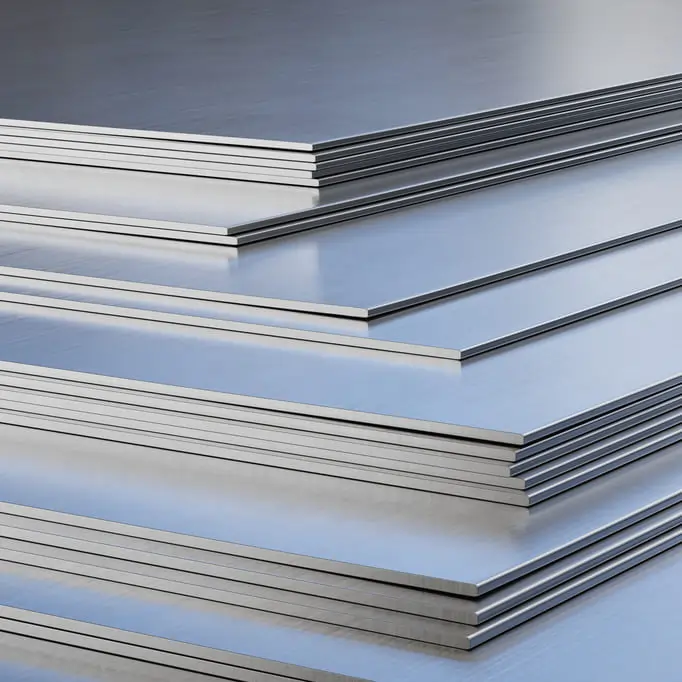
When it comes to sourcing high-quality steel products, time and trust are two factors that can make or break your project. Whether you’re managing a large-scale commercial development or a smaller residential build, ordering steel plates online with fast delivery is essential to keeping your project on schedule. You also want a supplier you can trust to deliver exceptional products every time. That’s why so many builders, fabricators, and contractors across the country turn to Midwest Steel Supply.
As a trusted stainless steel supplier in the USA, Midwest Steel Supply offers not only top-grade materials but also unmatched customer service, speedy shipping, and a wide range of products available for immediate order online.
Why Ordering Steel Plates Online Makes Sense
Traditionally, ordering steel involved phone calls, back-and-forth emails, and often lengthy lead times. In today’s fast-paced construction environment, waiting for quotes and slow deliveries simply isn’t an option. Here’s why more professionals are choosing to order steel plates online with fast delivery:
Convenience: Browse, select, and order at any time, from anywhere.
Transparency: See product specifications, availability, and pricing upfront.
Speed: Reduce procurement time dramatically by ordering in minutes.
Immediate Confirmation: Receive instant order confirmations and shipping updates.
When you buy from Midwest Steel Supply, you’re not just getting materials—you’re gaining a dependable logistics partner focused on helping you complete your projects on time and within budget.
Midwest Steel Supply: Your Go-To Source for Steel Plates and Stainless Steel
Choosing a supplier is about more than just the products. It’s about reliability, quality assurance, and excellent service. Midwest Steel Supply excels in every category. Here’s what sets them apart:
Huge Selection of Steel Products
Midwest Steel Supply offers one of the largest online selections of steel products in the country. You can find exactly what you need quickly, including a wide range of steel plates ready to order online.
Their inventory includes:
Carbon steel plates
Stainless steel plates
Aluminum plates
Custom-cut plates
No matter the size, thickness, or grade you need, Midwest Steel Supply has the materials to fit your project perfectly.
Fast Nationwide Delivery
Midwest Steel Supply understands that construction schedules are tight. Their investment in advanced logistics ensures that when you order steel plates online, you receive fast delivery—no matter where you are in the USA.
Their well-coordinated shipping network and efficient handling processes mean fewer delays and better service, even for large bulk orders.
Trusted Stainless Steel Supplier in the USA
Quality matters, especially when it comes to stainless steel. Whether for aesthetic, structural, or corrosion-resistant purposes, stainless steel must meet the highest standards.
Midwest Steel Supply is a recognized trusted stainless steel supplier in the USA, offering products that conform to ASTM, ASME, and other industry-specific standards. They rigorously inspect all stainless steel materials to ensure consistency, strength, and performance.
Their stainless steel product line includes:
Stainless steel sheets
Stainless steel plates
Stainless steel bars and rods
Stainless steel tubing
Custom Cut Services
Every project is unique. That’s why Midwest Steel Supply offers custom cutting services to tailor steel plates to your specifications. Their expert team uses precision cutting equipment to ensure each piece fits exactly as needed, saving you time and reducing on-site labor costs.
With their easy-to-use website, you can specify custom dimensions during checkout or consult their knowledgeable support team for guidance.
Exceptional Customer Support
Even when ordering online, personalized support matters. Midwest Steel Supply’s team of steel experts is available to assist with material selection, order tracking, and technical questions. They combine the convenience of online ordering with the attention and expertise of a dedicated local supplier.
If you have questions about grades, tolerances, or best practices, their support staff ensures you get the answers and solutions you need fast.
Applications for Steel Plates and Stainless Steel Products
Steel plates and stainless steel products are crucial in many industries and applications, including:
Construction: Structural frameworks, support beams, and architectural features
Manufacturing: Machinery components, industrial equipment, and processing plants
Automotive: Chassis fabrication, body panels, and reinforcements
Marine: Shipbuilding and offshore structures
Energy: Oil & gas platforms, renewable energy infrastructure
With Midwest Steel Supply’s extensive product range and fast delivery options, industries nationwide rely on them to keep projects moving forward efficiently.
How to Order Steel Plates Online with Midwest Steel Supply
Placing an order is simple and seamless:
Visit Midwest Steel Supply.
Browse Products: Head to their steel products page and select the material type you need.
Customize: Choose dimensions, grades, and any custom cut options.
Add to Cart: Review quantities and specifications.
Checkout: Complete your purchase with secure online payment.
Track Your Order: Receive real-time updates as your order is prepared and shipped.
It’s that easy—no waiting for quotes or dealing with outdated catalogs. Just quick, reliable service you can trust.
Why Choose Midwest Steel Supply Over Other Suppliers?
With so many options available, why do builders and manufacturers nationwide consistently choose Midwest Steel Supply?
Proven Reliability: Years of consistent, high-quality service.
Wide Inventory: A complete range of steel and stainless steel products.
Customization: Precision cuts for any project.
Speed: Fast, efficient processing and shipping.
Trust: Transparent pricing and commitment to customer satisfaction.
They’ve built a reputation as a trusted stainless steel supplier in the USA by putting the customer first, offering only top-quality products, and ensuring every order is handled with care.
Final Thoughts
If you’re looking to order steel plates online with fast delivery, and you want a supplier you can count on for every project, Midwest Steel Supply should be your first choice. With an easy-to-use platform, rapid nationwide shipping, and a reputation for excellence, they make it simple to get the steel you need—fast and hassle-free.
Start your next project on the right foundation. Visit Midwest Steel Supply today and experience the future of steel procurement.
- steelsupply
- 2026-04-15 20:03:37
Whether you’re a contractor, wholesaler, manufacturer, or supplier, knowing the current steel price in Africa—per kilogram (kg) or per ton—is essential for making smart purchasing decisions.
Here’s a step-by-step guide on how to find accurate, up-to-date steel prices across African markets:
1. Check Local Steel Suppliers & Distributors
Start by visiting the websites or contacting the top local suppliers in your country or region. They often list daily or weekly price updates for various types of steel, including:
Hot Rolled Steel
Cold Rolled Steel
Galvanized Steel
Rebars
Steel Coils and Plates
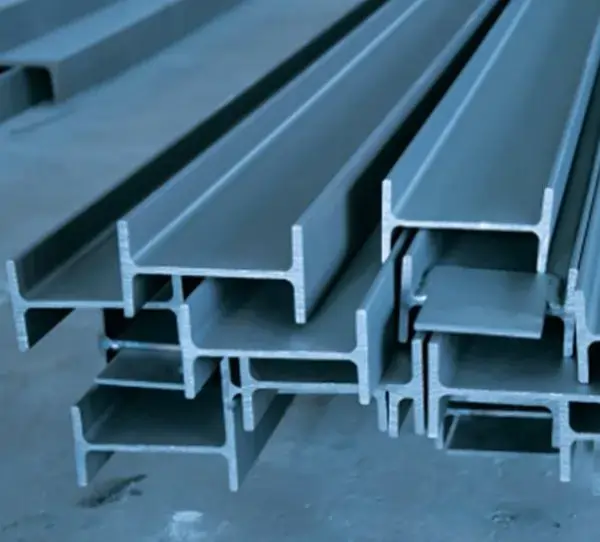
Structural Sections (I-beams, channels, angles)
✅ Popular regional suppliers include:
South Africa: Macsteel, Stewarts & Lloyds
Kenya: Devki Steel, Tononoka Group
Nigeria: Ajaokuta Steel, Dana Steel
Egypt: Ezz Steel, Beshay Steel
2. Use African Marketplaces and B2B Platforms
Many African buyers and suppliers list steel prices on B2B portals and e-commerce platforms, especially for bulk orders:
Alibaba Africa
Made-in-China with Africa filter
AfricaTradePlatform
Tradekey Africa
GoAfricaTrade
These platforms usually show price per ton or per metric kg for products like steel coils, rebars, sheets, and tubes, along with shipping and MOQ.
3. Contact International Exporters That Ship to Africa
Major global steel exporters like Midwest Steel Supply (USA/China) or Indian suppliers offer FOB or CIF prices to African ports (Durban, Lagos, Mombasa, etc.).
You can get a quotation based on:
Destination port
Quantity (per ton basis)
Type of steel (coils, sheets, tubes, etc.)
Packaging and customs clearance
✅ Many exporters offer better rates for bulk purchases over 100 tons.
4. Use Global Steel Price Indexes (with African conversion)
Although African-specific indexes are rare, you can track international rates from:
SteelBenchmarker
Trading Economics (Steel price section)
MetalMiner Index
London Metal Exchange (LME)
Then, convert the global price to CIF African port price, including:
Freight cost
Import duties
Local taxes (VAT)
Distributor markup
5. Join Industry Forums and WhatsApp Groups
Many African steel traders share real-time prices per kg or ton in private groups or forums. Look for:
WhatsApp groups for contractors or steel buyers
Facebook Groups (e.g., “Steel Suppliers Nigeria” or “Construction Kenya”)
Reddit or LinkedIn groups focused on African construction
6. Watch Local News and Business Media
Some countries (like Egypt, Nigeria, and South Africa) publish monthly steel pricing reports in:
Business newspapers
Government economic bulletins
Chamber of commerce publications
These sources show domestic steel production data, price per kg/ton, and import trends.
Steel Prices in Africa (2025 Estimates)
| Steel Type | Price per Kg (USD) | Price per Ton (USD) | Country (Avg.) |
|---|---|---|---|
| Rebars (TMT) | $0.70 – $0.95 | $700 – $950 | Nigeria, Kenya |
| Galvanized Steel Coil | $0.95 – $1.10 | $950 – $1100 | South Africa, Egypt |
| Hot Rolled Steel Sheet | $0.80 – $1.00 | $800 – $1000 | Ghana, Uganda |
| Color Coated Sheet Coil | $1.20 – $1.40 | $1200 – $1400 | Tanzania, Ethiopia |
Note: Prices may fluctuate based on port charges, fuel costs, and foreign exchange rates.
Final Tip: Work with a Trusted Steel Exporter
If you’re an importer or bulk buyer, consider working with international suppliers like Midwest Steel Supply that specialize in exporting to African countries. They can help you:
Lock in competitive ton-based rates
Manage customs & shipping
Secure reliable supply with mill certificates
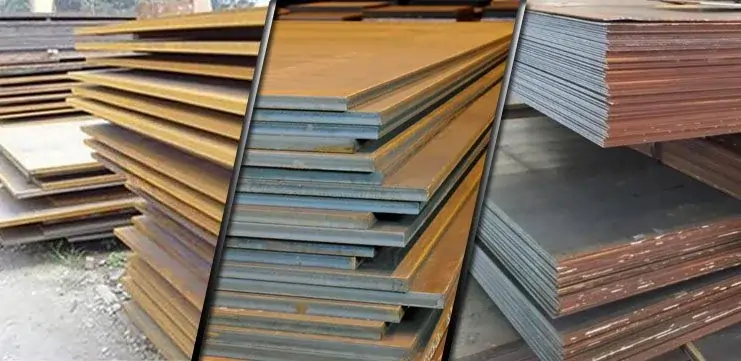
- Steel Price Per Kg and Per Ton in Africa
- steelsupply
- 2026-04-14 11:35:19
- High-endurance and low-maintenance materials are becoming more and more demanded due to modern construction and infrastructure projects. Such a material is EN10025 S355J0W, which is a weathering steel grade commonly employed in Europe and across the world. With the capacity to create a protective coating of oxides against corrosion, S355J0W is an affordable choice when the outdoor structures are in the weathering environment.In choosing steel in massive projects, there are two considerations;
Mechanical properties and weather resistance
Market price per ton
This article provides a comprehensive overview of EN10025 S355J0W weathering steel, its advantages, applications, current price per ton (2025), and key factors that influence cost.
What is EN10025 S355J0W Weathering Steel?
EN10025 S355J0W is a structural weather-resistant steel specified under the EN10025-5 standard. The steel’s composition includes alloying elements such as copper, chromium, and nickel, which enhance its resistance to atmospheric corrosion.
Unlike ordinary carbon steels, S355J0W naturally develops a stable rust-like patina layer when exposed to moisture and air. This protective film prevents further corrosion, significantly reducing the need for paint or coatings.
Key Features of S355J0W:
Minimum yield strength: 355 MPa
Tensile strength: 470 – 630 MPa
Impact toughness: 27J at 0°C (J0 designation)
Weathering resistance: High, even in outdoor and industrial atmospheres
Weldability: Excellent due to low carbon equivalent
Mechanical Properties of EN10025 S355J0W
| Property | Value (Typical) |
|---|---|
| Yield Strength | ≥ 355 MPa |
| Tensile Strength | 470–630 MPa |
| Elongation | 20–22% |
| Impact Strength (J0) | 27J at 0°C |
The combination of strength, ductility, and weather resistance makes S355J0W suitable for both structural and aesthetic applications.
Applications of EN10025 S355J0W Weathering Steel
Due to its long service life and reduced maintenance requirements, S355J0W is widely used in:
Infrastructure Projects
Bridges, flyovers, and viaducts
Highways and railway structures
Industrial and Commercial Construction
Factories, warehouses, and stadiums
Outdoor architectural features and façades
Energy Sector
Transmission towers and wind turbine components
Oil, gas, and renewable energy facilities
Marine and Harsh Environments
Coastal structures
Port facilities and offshore equipment
By eliminating the need for frequent repainting, S355J0W saves costs over the structure’s lifecycle.
EN10025 S355J0W Weathering Steel Price per Ton
The price of EN10025 S355J0W steel per ton depends on location, supplier, thickness, and order size.
Current Market Prices (2025 Estimates):
Europe: €950 – €1,200 per ton
United States: $980 – $1,250 per ton
China: $780 – $950 per ton
India: $800 – $980 per ton
Middle East & Africa: $850 – $1,100 per ton
For smaller orders or custom sizes, prices may be slightly higher due to processing and logistics.
Factors Affecting EN10025 S355J0W Price per Ton
Like other structural steels, S355J0W pricing is influenced by multiple global and regional factors.
1. Raw Material Costs
Iron ore, coal, and scrap steel prices are major cost drivers.
Alloying elements such as copper, nickel, and chromium add to the cost compared to standard carbon steels.
2. Production and Energy Costs
High energy consumption in steelmaking means that electricity and gas prices directly affect cost per ton.
3. Global Construction Demand
Infrastructure projects in Europe, the U.S., and Asia increase demand for weathering steel.
Seasonal construction cycles influence short-term price fluctuations.
4. Trade Policies and Tariffs
Import duties and anti-dumping measures can raise costs for foreign buyers.
5. Transportation and Logistics
Shipping costs, container shortages, and port delays increase landed prices.
6. Plate Thickness and Beam Size
Standard sizes are cheaper, while thicker/custom beams and plates cost more per ton.
EN10025 S355J0W vs Other Steel Grades
| Steel Grade | Yield Strength | Corrosion Resistance | Price per Ton (Avg.) | Common Use |
|---|---|---|---|---|
| S355J0W | 355 MPa | High | $780 – $1,250 | Bridges, outdoor structures |
| S235J2W | 235 MPa | High | $700 – $1,100 | Light structures |
| ASTM A588 | 345 MPa | High | $750 – $1,200 | U.S. equivalent weathering steel |
| ASTM A36 | 250 MPa | Low | $600 – $950 | General structural steel |
This comparison highlights that while S355J0W is more expensive than regular carbon steels, its long-term performance and low maintenance justify the higher initial cost.
Price Trends and Forecast
2021–2022: Prices surged due to raw material shortages and pandemic-related supply disruptions.
2023–2024: Energy inflation and strong construction demand kept costs high.
2025: Prices stabilized, though still above pre-pandemic levels.
Forecast for 2025–2026:
Prices are expected to remain in the $850 – $1,200 per ton range globally.
Increasing infrastructure investment in Europe and Asia will support demand.
Stricter environmental regulations and “green steel” initiatives may push production costs slightly higher.
How to Buy EN10025 S355J0W Weathering Steel at the Best Price
Bulk Purchasing: Large orders reduce per-ton pricing significantly.
Direct from Mills: Sourcing directly from manufacturers avoids distributor markups.
Compare Domestic vs Imported: Sometimes imports (China, India) are cheaper even with freight charges.
Lock in Prices: For long projects, secure fixed-price contracts to avoid market volatility.
Choose Standard Sizes: Custom processing increases per-ton cost.
Conclusion
EN10025 S355J0W is a very strong material with a yield strength of 355 MPa, a high corrosion resistance, and even a stable weldability. Its characteristic of being able to develop a protective patina layer makes it suitable for use outdoors and in prolonged structural applications.
By 2025, the price is between 780-1250 per ton, depending on the geographical location, thickness, and the quantity of the order. Although it is more expensive than the typical structural steels in the short run, the maintenance savings and longer service life will lead to long-term cost savings.
As a buyer, tracking the trends in the market, direct sourcing at mills, and contract negotiation measures are some of the strategies to get the best price.
- steelsupply
- 2026-04-13 18:25:49
Galvanized strip coil prices often fluctuate throughout the year due to seasonal demand patterns, raw material costs, and logistical dynamics. Understanding these trends can help buyers and suppliers make smarter purchasing and inventory decisions.
1. Q1 (January – March): Post-winter stability
Demand: Typically low to moderate due to slower construction activity in colder regions. Many large infrastructure projects remain paused.
Prices: Stable or slightly lower. Mills often offer early-year discounts to stimulate demand and clear year-end inventory.
Best for: Strategic bulk buying before prices rise.
2. Q2 (April – June): Rising demand and price spikes
Demand: Increases significantly as construction, manufacturing, and agriculture projects pick up speed.
Prices: Begin to rise due to higher order volumes, limited mill availability, and increased competition for supply.
Raw materials: Zinc prices often rise during this period, pushing coil prices higher.
Best for: Buyers needing timely deliveries, but costs may rise quickly.
3. Q3 (July – September): Peak season and pricing volatility
Demand: Reaches its highest point. Many projects are in full swing, and mills run at high capacity.
Prices: Often peak during this time. High demand plus occasional logistics delays (monsoon or port congestion in some regions) can push prices further.
Risk: Supply tightness can occur, and lead times stretch.
Best for: Urgent buyers, though costs are at seasonal highs.
4. Q4 (October – December): Demand slowdown and year-end adjustments
Demand: Slows down, especially in the construction sector as winter approaches.
Prices: Begin to drop slightly or stabilize. Mills may offer discounts or year-end promotions to reach sales targets.
Inventory clearance: Many suppliers offer deals on existing stock to reduce warehouse costs before the new fiscal year.
Best for: Cost-conscious buyers preparing for Q1 or stocking ahead of seasonal increases.
Other Factors That Influence Seasonal Pricing
Zinc Market Trends: Since galvanized strip coil relies on zinc coating, fluctuations in zinc prices heavily affect coil pricing.
Import/Export Timing: Holidays (like Chinese New Year or Eid) may cause production or shipping delays that impact seasonal availability.
Weather Disruptions: Floods, monsoons, or harsh winters can slow logistics, affecting pricing and delivery schedules.
Government Projects: When large-scale infrastructure programs begin (especially in Q2–Q3), they can cause temporary price spikes due to high-volume demand.
Smart Purchasing Tip
To get the best value:
Buy in late Q4 or early Q1 for stocking.
Lock in prices for Q2 and Q3 needs if you expect a surge in demand.
Monitor zinc prices regularly as an early indicator of galvanized coil price movement.
- steelsupply
- 2026-04-13 17:48:35
Unlocking the Power of ASTM A109: High-Strength Cold-Rolled Strip Steel The Middle East steel industry is evolving rapidly, driven by large-scale infrastructure projects, industrialization, and a push for sustainable development. Amid these dynamics, Midwest Steel Supply has emerged as a key global player expanding into the Middle Eastern market through strategic partnerships and a commitment to quality.
A Growing Need for Steel in the Middle East
Countries like Saudi Arabia, the United Arab Emirates, and Oman are investing heavily in transformative projects such as NEOM, smart cities, and renewable energy infrastructure. These developments have created a sharp increase in the demand for high-quality steel products, particularly galvanized steel, structural steel, rebar, and steel coils.
Recognizing this opportunity, Midwest Steel Supply—a leader in manufacturing and distributing corrugated iron, cold-rolled steel, and steel pipes—has positioned itself to meet the region’s rising demand.
Strategic Partnerships Strengthen Supply Chains
To establish a solid presence in the region, Midwest Steel Supply has formed strategic alliances with Middle Eastern companies like KSL Oman Steel. These collaborations aim to localize distribution, improve delivery timelines, and ensure consistent supply for ongoing mega-projects.
By teaming up with regional steel suppliers, Midwest enhances its capabilities to supply customized steel solutions for oil and gas projects, infrastructure, and heavy industry. This steel distribution network helps reduce dependence on local production and offers cost-effective alternatives, even amid global steel price fluctuations.
Product Versatility and Quality Standards
Midwest Steel Supply’s product portfolio is extensive and tailored to meet diverse industry requirements. The company offers:
Hot-rolled and cold-rolled steel coils
Galvanized steel and color-coated steel
Welded pipes and square tubing
Tin-plated and stainless-steel strips
Angle steel, H-beams, and channel steel
All products meet international quality and environmental standards, enabling Midwest to support Middle Eastern governments and contractors in achieving compliance for safety and green building certifications.
For more on Midwest’s manufacturing process and steel grades, visit Midwest Steel product catalog.
Addressing Green Steel Goals in the Middle East
As the Middle East pivots toward sustainable construction, green hydrogen, and low-carbon steel, Midwest Steel Supply is well-positioned to contribute. The company is investing in eco-friendly steel processing technologies and aims to align with global environmental frameworks such as the Paris Agreement.
The synergy between Midwest’s green production practices and Middle Eastern climate goals makes it a favorable supplier for projects targeting LEED certification or adhering to Saudi Vision 2030 and the UAE’s Green Agenda.
Explore Midwest’s sustainability initiatives here: Midwest Sustainability
Market Outlook and Competitive Advantage
According to data from the World Steel Association, steel demand in the MENA region is projected to grow by 4.9% annually through 2025. With strong demand in commercial and residential construction, as well as logistics infrastructure and renewable energy, the Middle East will remain a critical growth area.
Midwest Steel Supply is capitalizing on this trend by offering scalable production capacity, efficient logistics, and a customer-first approach. Its ability to customize supply contracts, offer competitive pricing, and maintain stockpiles in key locations gives it a competitive edge over regional and global rivals.
Supporting Local Economies and Job Creation
Another critical benefit of Midwest’s expansion is the positive economic impact on the local workforce. Through its partnerships and investments in regional logistics hubs and warehousing, the company supports local job creation, skill development, and economic diversification in host countries.
Whether it’s through technical training programs, supplier onboarding, or engineering services, Midwest is contributing to regional industrialization in meaningful ways.
Conclusion
As the Middle East accelerates its infrastructure and sustainability initiatives, the need for reliable, affordable, and high-quality steel is more crucial than ever. Midwest Steel Supply has not only recognized this need but is actively investing to become a cornerstone of the region’s steel supply chain.
By combining international manufacturing expertise with local market insight, Midwest is poised to play a transformative role in the future of steel in the Middle East.
- steelsupply
- 2026-04-11 07:22:25
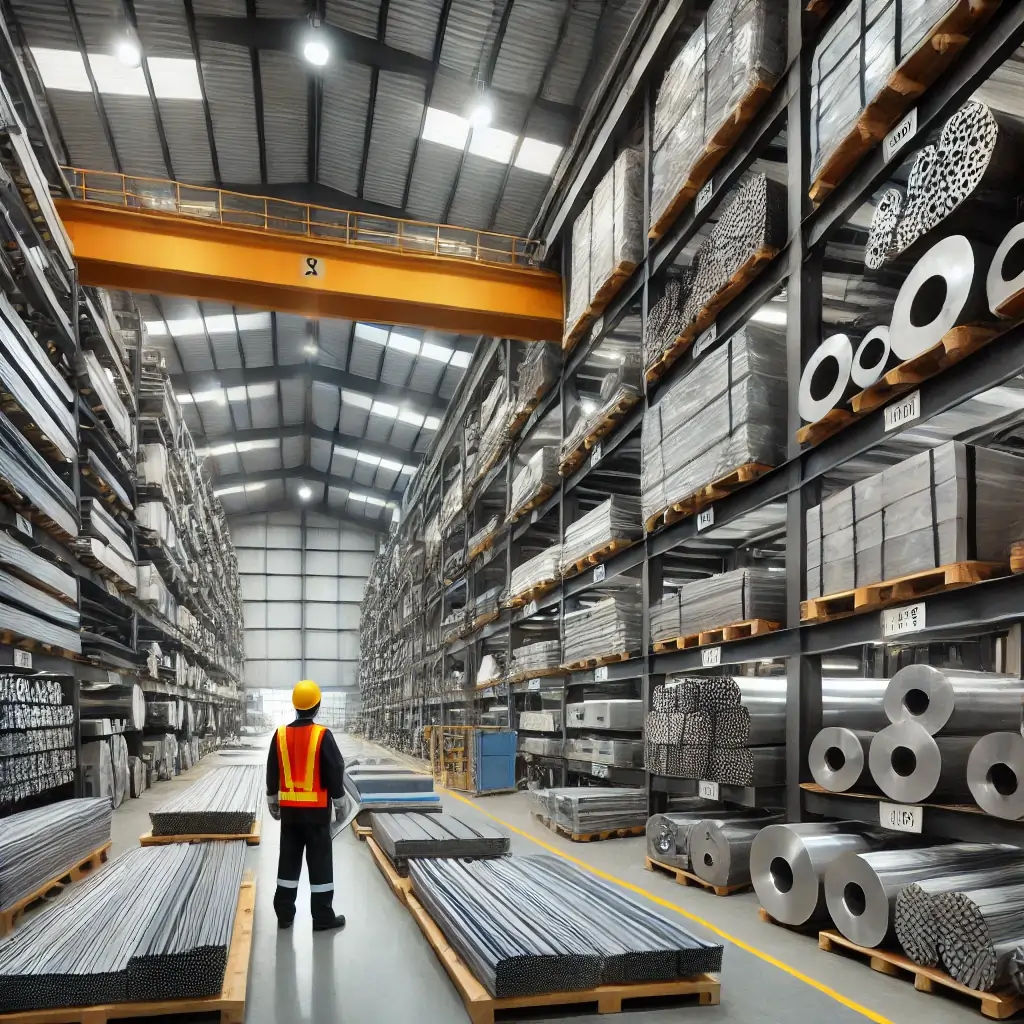
ASTM Standards Steel for Power Plants & Steel Suppliers for the Energy Sector in the USA
Power plants in the United States rely on high-performance steel materials that meet strict engineering and safety requirements. These materials must comply with internationally recognized standards to ensure reliability, durability, and long-term performance. Among these, ASTM standards play a crucial role in defining the quality and specifications of steel used in power engineering.
At the same time, sourcing from trusted suppliers like Midwest Steel Supply ensures that projects receive certified materials that meet industry demands.
What Are ASTM Standards?
ASTM standards are developed by ASTM International (formerly the American Society for Testing and Materials). These standards define the mechanical properties, chemical composition, and performance requirements of materials used in industrial applications.
In power plants, ASTM standards ensure that steel can handle:
- High temperatures
- Pressure systems
- Mechanical loads
- Corrosive environments
Compliance with ASTM standards is essential for safety, efficiency, and regulatory approval.
Key ASTM Steel Standards for Power Plants
ASTM A36 – Structural Steel
ASTM A36 is one of the most widely used carbon steels in construction and power infrastructure.
Applications:
- Structural frameworks
- Platforms and walkways
- Support beams
Features:
- Good strength and weldability
- Cost-effective for general use
ASTM A572 – High-Strength Low-Alloy Steel
This standard covers HSLA steel used in high-load applications.
Applications:
- Transmission towers
- Heavy structural components
- Bridges in power facilities
Benefits:
- Higher strength than A36
- Reduced weight
- Improved performance
ASTM A588 – Weathering Steel
Also known as corrosion-resistant steel, ASTM A588 is designed for outdoor structures.
Applications:
- Transmission towers
- Substation frameworks
Benefits:
- Forms a protective rust layer
- Requires less maintenance
ASTM A516 – Pressure Vessel Steel
This standard is critical for components exposed to high pressure.
Applications:
- Boilers
- Pressure vessels
- Storage tanks
Features:
- Excellent toughness
- مقاومة عالية للضغط (high pressure resistance)
ASTM A335 – Alloy Steel Pipes
Used in high-temperature environments.
Applications:
- Steam pipelines
- Heat exchangers
- Power plant piping systems
Benefits:
- مقاومت عالية للحرارة (high heat resistance)
- Strong under pressure and temperature stress
ASTM A240 – Stainless Steel Plates
Covers stainless steel used in corrosive environments.
Applications:
- Cooling systems
- Chemical handling units
- Nuclear facilities
Benefits:
- Superior corrosion resistance
- Long lifespan
Why ASTM Standards Matter in Power Engineering
Safety Assurance
ASTM-certified steel ensures that materials can handle extreme operational conditions without failure.
Consistency in Quality
Standardization guarantees uniform performance across different batches and suppliers.
Regulatory Compliance
Most U.S. energy projects require ASTM compliance for approval and inspection.
Long-Term Reliability
Using standardized steel reduces maintenance costs and increases infrastructure lifespan.
Steel Suppliers for the Energy Sector in the USA
The success of any power project depends on sourcing high-quality steel from reliable suppliers. The U.S. has a strong network of steel providers that serve the energy sector.
Key Qualities of a Good Steel Supplier
- ASTM-certified materials
- Wide product range (plates, beams, pipes, sheets)
- Custom fabrication capabilities
- Reliable logistics and delivery
- Industry experience in power and energy projects
Role of Midwest Steel Supply in Energy Projects
Midwest Steel Supply is recognized for providing high-quality steel materials suitable for power plants and energy infrastructure.
What They Offer:
- ASTM-compliant steel products
- Structural steel for plant construction
- Steel plates and pipes for pressure systems
- Custom cutting and fabrication services
- Reliable supply chain support
Their expertise helps ensure that energy projects meet strict U.S. standards while maintaining efficiency and cost control.
Applications of ASTM Steel in Power Plants
Structural Systems
ASTM A36 and A572 steels are used for building frameworks that support heavy equipment.
Boilers and Pressure Systems
ASTM A516 and A335 are essential for high-pressure and high-temperature components.
Transmission Infrastructure
ASTM A588 and galvanized steels are used in towers and substations.
Cooling and Chemical Systems
ASTM A240 stainless steel ensures corrosion resistance in critical systems.
Challenges in Steel Procurement for Power Plants
Price Fluctuations
Steel prices can vary due to global demand and supply chain factors.
Quality Control
Ensuring consistent ASTM compliance across large orders is critical.
Logistics and Delivery
Delays in steel supply can impact project timelines.
Working with trusted suppliers like Midwest Steel Supply helps overcome these challenges through reliable sourcing and quality assurance.
Future Trends in ASTM Steel for Energy
- Development of advanced alloys for extreme environments
- Increased use of sustainable and recycled steel
- Improved coatings for corrosion resistance
- Smart materials for enhanced performance
These innovations are shaping the future of power plant construction and energy infrastructure in the USA.
Conclusion
ASTM standards for steel are the foundation of steel quality in power plants, ensuring safety, durability, and performance in demanding environments. From structural frameworks to high-pressure systems, ASTM-certified steel plays a vital role in every aspect of power engineering.
Choosing the right supplier is equally important. Companies like Midwest Steel Supply provide reliable, high-quality steel materials that meet industry standards and support large-scale energy projects.
As the energy sector continues to grow and evolve, ASTM-standard steel and trusted suppliers will remain essential for building efficient and resilient power infrastructure in the United States.
- steelsupply
- 2026-04-11 07:12:33
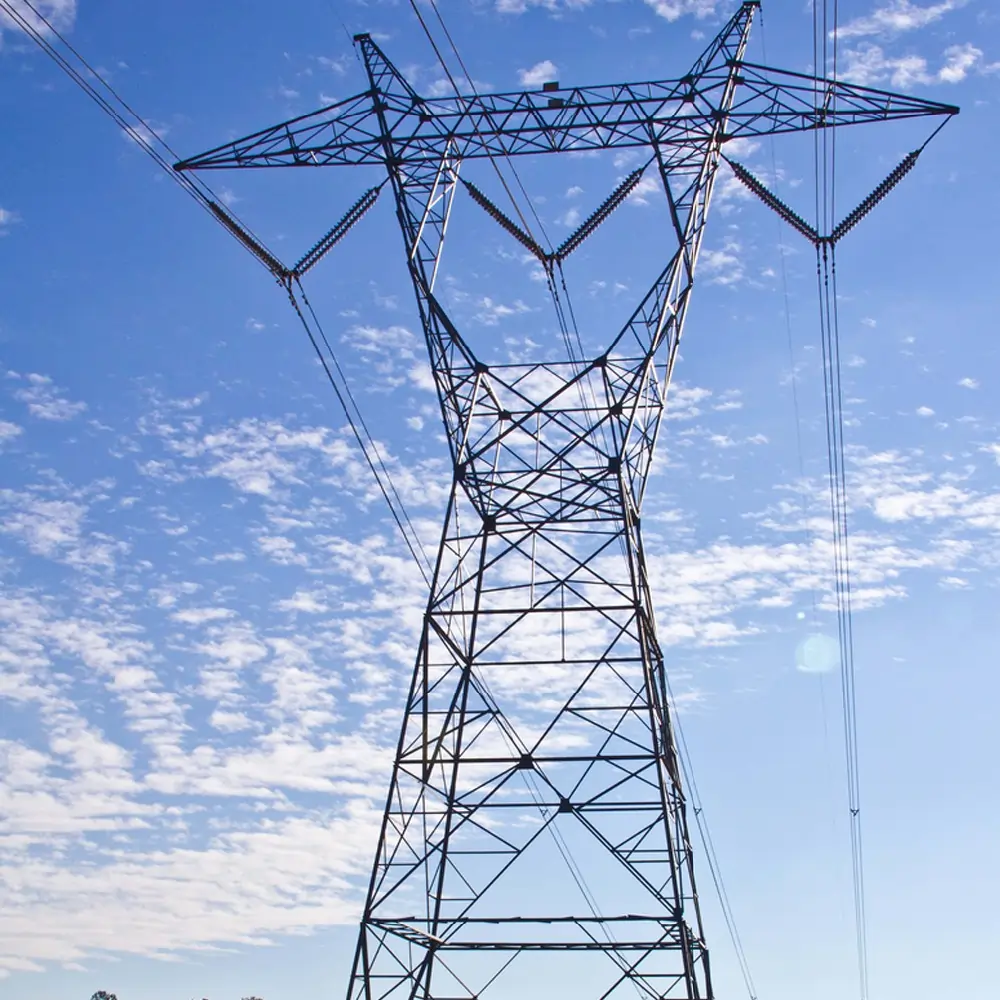
Steel fabrication is a critical process in building and maintaining power infrastructure across the United States. From massive power plants to transmission networks and renewable energy installations, fabricated steel components form the backbone of the energy sector. High-quality fabrication ensures that structures are strong, precise, and capable of withstanding extreme operational conditions.
Trusted suppliers like Midwest Steel Supply play a key role in delivering reliable steel products and fabrication solutions for power engineering projects.
What is Steel Fabrication in Power Infrastructure?
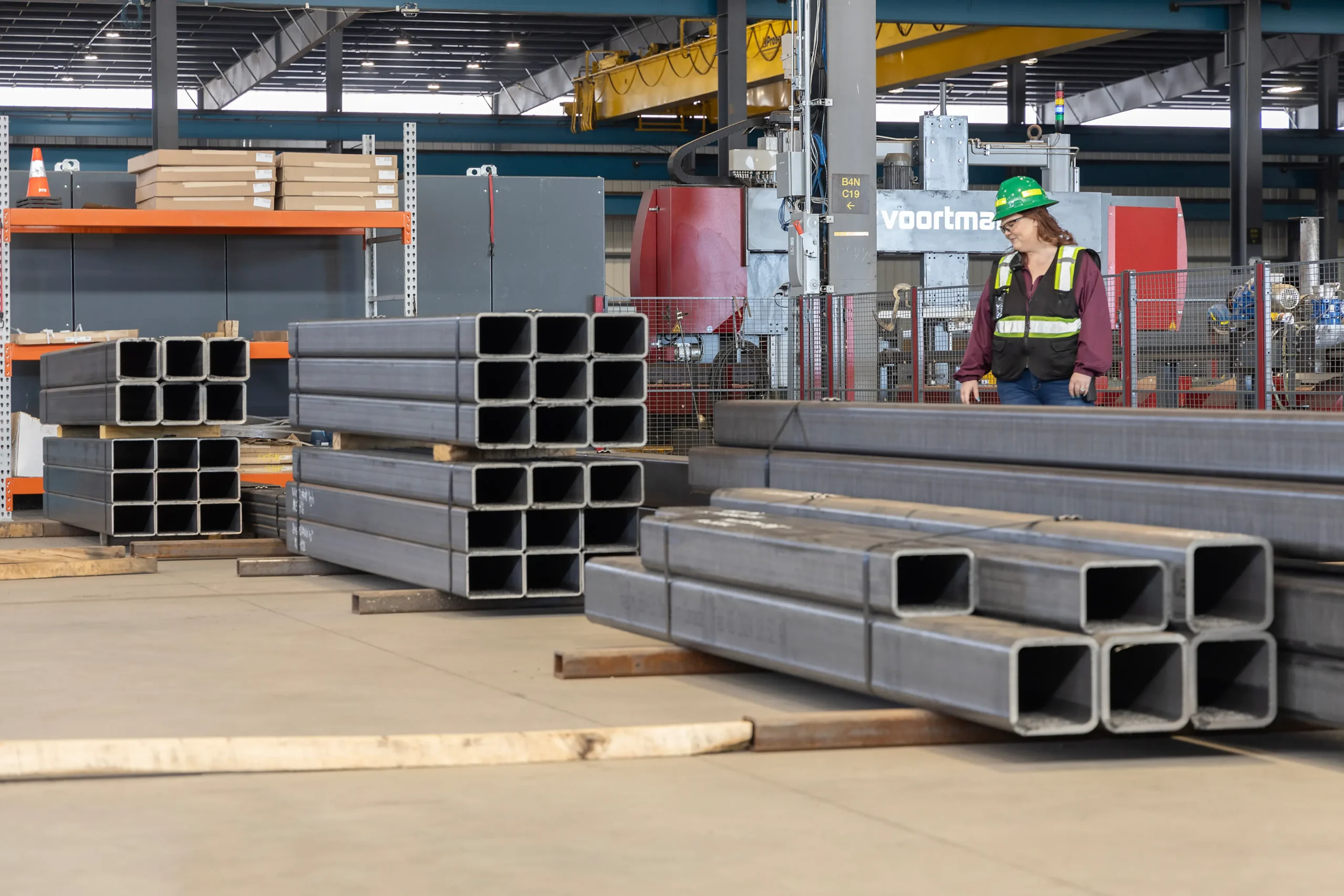
Steel fabrication involves cutting, shaping, assembling, and finishing steel to create components used in construction and industrial applications. In the power sector, this process is essential for producing customized parts that meet strict engineering and safety standards.
Fabrication transforms raw steel into:
- Structural frames
- Transmission tower components
- Equipment supports
- Platforms and walkways
- Pipeline systems
Each fabricated piece must meet precise specifications to ensure safe and efficient operation.
Importance of Steel Fabrication in Power Projects
Power infrastructure requires materials that can handle heavy loads, high temperatures, and environmental stress. Steel fabrication ensures that every component is designed for performance and durability.
Strength and Reliability
Fabricated steel structures provide the strength needed to support turbines, generators, and electrical systems.
Precision Engineering
Accurate fabrication ensures proper alignment of components, reducing operational risks and improving efficiency.
Customization
Every power project has unique requirements. Fabrication allows engineers to design components tailored to specific applications.
Long-Term Performance
High-quality fabrication extends the lifespan of infrastructure, reducing maintenance and replacement costs.
Key Applications in Power Infrastructure
1. Power Plants
Steel fabrication is widely used in thermal, nuclear, and gas power plants.
Applications include:
- Boiler support structures
- Turbine foundations
- Cooling tower frameworks
- Equipment platforms
2. Transmission and Distribution Systems
Fabricated steel components are essential for transmitting electricity over long distances.
Examples:
- Transmission towers
- Substation structures
- Cable support systems
3. Renewable Energy Projects
The rise of renewable energy has increased demand for fabricated steel.
Uses include:
- Wind turbine towers
- Solar panel mounting systems
- Hydropower structures
4. Industrial Energy Facilities
Steel fabrication supports refineries, energy storage systems, and industrial power units.
Steel Fabrication Processes
The quality of power infrastructure depends heavily on fabrication techniques. Key processes include:
Cutting
Steel is cut into required shapes using advanced tools such as laser cutting, plasma cutting, and sawing.
Bending and Forming
Steel is shaped into specific angles and curves needed for structural components.
Welding
Welding joins steel parts together, ensuring strength and stability.
Machining
Precision machining is used to achieve exact dimensions and surface finishes.
Surface Treatment
Processes like galvanizing and coating protect steel from corrosion and environmental damage.
Companies like Midwest Steel Supply ensure these processes meet strict industry standards for quality and durability.
U.S. Standards and Compliance
Steel fabrication for power infrastructure in the USA must comply with strict standards, including:
- ASTM (American Society for Testing and Materials)
- AISC (American Institute of Steel Construction)
- ASME (American Society of Mechanical Engineers)
These standards ensure that fabricated components meet safety, strength, and performance requirements.
Benefits of Choosing the Right Steel Supplier
Selecting a reliable supplier is crucial for successful project execution.
Consistent Quality
High-quality steel ensures durability and reduces the risk of structural failure.
Timely Delivery
Power projects operate on tight schedules. Reliable suppliers prevent delays.
Custom Fabrication Support
Experienced suppliers provide tailored solutions for complex designs.
Industry Expertise
Working with established companies like Midwest Steel Supply ensures access to knowledge and best practices in steel fabrication.
Challenges in Steel Fabrication for Power Infrastructure
Complex Designs
Power infrastructure requires highly detailed and precise components.
Environmental Conditions
Steel must be fabricated to withstand corrosion, temperature changes, and weather exposure.
Cost Management
Balancing quality and budget is a major challenge in large-scale projects.
Skilled Labor Requirements
Fabrication requires experienced engineers and technicians to ensure quality.
Future Trends in Steel Fabrication
The power industry is evolving, and steel fabrication is advancing alongside it.
Automation and Robotics
Automated fabrication processes improve precision and reduce production time.
Modular Construction
Prefabricated steel components allow faster on-site assembly.
Advanced Materials
New steel alloys offer improved strength and resistance to extreme conditions.
Sustainable Practices
Recycled steel and eco-friendly fabrication methods are becoming more common.
Conclusion
Steel fabrication is a cornerstone of power infrastructure development in the United States. It enables the creation of strong, reliable, and efficient structures that support energy generation and distribution systems.
From traditional power plants to modern renewable energy projects, fabricated steel components play a vital role in ensuring long-term performance and safety. Partnering with trusted suppliers like Midwest Steel Supply ensures access to high-quality materials, expert fabrication, and compliance with industry standards.
As the demand for energy continues to grow, steel fabrication will remain essential in building a resilient and sustainable power infrastructure for the future.
- steelsupply
- 2026-04-11 07:03:51
Transmission towers are the backbone of modern electrical infrastructure, carrying high-voltage power across cities, states, and entire regions. These structures must withstand extreme environmental conditions, heavy mechanical loads, and decades of continuous operation. This is why high strength steel is the preferred material for transmission towers in the United States.
Reliable suppliers like Midwest Steel Supply play a critical role in providing premium-grade steel that meets the demanding requirements of power engineering projects.
Why High Strength Steel is Essential for Transmission Towers
Steel for Transmission towers is exposed to wind loads, temperature fluctuations, seismic activity, and corrosion. Ordinary materials cannot handle such stress over long periods. High strength steel is specifically engineered to deliver superior performance under these conditions.
Key Advantages:
1. Exceptional Load-Bearing Capacity
High strength steel can support heavy electrical conductors and withstand tension forces over long spans without deformation.
2. Reduced Material Weight
Because of its higher strength, less material is needed. This reduces the overall weight of the tower, making transportation and installation more efficient.
3. Improved Durability
High strength steel ensures long service life, often exceeding 40–50 years with proper maintenance.
4. Resistance to Environmental Stress
It performs well under harsh weather conditions, including strong winds, rain, and temperature extremes.
Types of High Strength Steel Used in Transmission Towers
High-Strength Low-Alloy (HSLA) Steel
HSLA steel is widely used in transmission towers due to its excellent strength-to-weight ratio and corrosion resistance.
Features:
- Enhanced mechanical properties
- Better atmospheric corrosion resistance
- Ideal for large-scale outdoor structures
Galvanized High Strength Steel
Galvanization adds a protective zinc coating to prevent rust, making it perfect for outdoor infrastructure.
Applications:
- Lattice towers
- Substation structures
- Rural and coastal transmission lines
Weathering Steel
Also known as corten steel, this type forms a protective oxide layer that reduces corrosion.
Benefits:
- Minimal maintenance
- Long-term durability
- Suitable for harsh climates
Key Components of Transmission Towers Using Steel
High strength steel is used in multiple parts of a transmission tower:
- Main Legs: تحمل the entire structural load
- Cross Arms: support conductors and insulators
- Bracing Systems: provide stability against wind forces
- Foundations (anchor bolts): ensure firm ground connection
Each component requires precise engineering and high-quality steel to ensure overall system reliability.
Manufacturing and Fabrication Considerations
The performance of transmission towers depends not only on the type of steel but also on fabrication quality. Key processes include:
- Cutting and shaping steel sections
- Welding and bolting connections
- Hot-dip galvanizing for corrosion protection
- Quality testing and certification
Suppliers like Midwest Steel Supply ensure that all materials meet strict U.S. standards, including ASTM and AISC requirements.
Benefits of Partnering with a Reliable Steel Supplier
Choosing the right steel supplier is crucial for power infrastructure projects. A trusted provider offers:
- Consistent material quality
- Compliance with engineering standards
- Timely delivery for large-scale projects
- Custom solutions for unique tower designs
Midwest Steel Supply is known for supporting industrial and energy sectors with high-quality steel products tailored to demanding applications like transmission towers.
Challenges in Transmission Tower Construction
Despite its advantages, using high strength steel comes with certain challenges:
Corrosion Risks
Even strong steel can corrode over time without proper coating or maintenance.
Cost Considerations
High strength steel may have a higher initial cost, but it reduces long-term maintenance expenses.
Fabrication Complexity
Advanced steel grades require specialized manufacturing techniques.
Working with experienced suppliers helps mitigate these challenges and ensures project success.
Future Trends in Steel for Transmission Infrastructure
As energy demand grows and grids expand, the use of advanced steel materials is increasing. Key trends include:
- Ultra-high-strength steels for taller and more efficient towers
- Smart coatings for enhanced corrosion resistance
- Lightweight designs for easier installation
- Sustainable steel production methods
These innovations are shaping the future of transmission infrastructure in the U.S. and beyond.
Conclusion
High strength steel is indispensable for transmission towers, providing the strength, durability, and reliability needed to support critical power infrastructure. Its ability to withstand extreme conditions while maintaining structural integrity makes it the material of choice for modern energy projects.
Partnering with trusted suppliers like Midwest Steel Supply ensures that projects benefit from high-quality materials, expert support, and compliance with industry standards.
As the power sector continues to evolve, high strength steel will remain a key component in building efficient and resilient transmission networks.
- steelsupply
- 2026-04-11 06:55:47
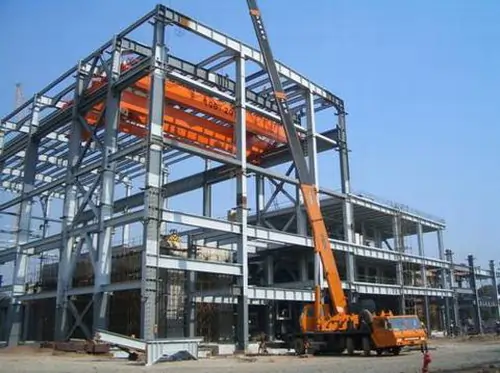
Steel is one of the most critical materials used in power engineering projects across the world. From traditional thermal plants to modern renewable energy systems, steel provides the structural strength, durability, and reliability required to support complex infrastructure. In large-scale energy developments, trusted suppliers like Midwest Steel Supply ensure that high-quality steel materials meet strict engineering and safety standards.
This article explores the different types of steel materials used in power engineering, their applications, and why they are essential for efficient and long-lasting energy infrastructure.
Why Steel is Essential in Power Engineering
Steel for Power engineering projects involves extreme conditions such as high temperatures, heavy loads, pressure systems, and environmental exposure. Steel is preferred because it offers:
- High strength-to-weight ratio
- Excellent durability and long service life
- Resistance to heat and mechanical stress
- Flexibility for fabrication and customization
- Recyclability and sustainability
These properties make steel suitable for everything from structural frameworks to specialized components in power plants.
Main Types of Steel Used in Power Projects
1. Carbon Steel
Carbon steel is the most commonly used material in power engineering due to its affordability and strength.
Applications:
- Structural beams and columns
- Pipelines and storage tanks
- General construction of plant infrastructure
Benefits:
- Cost-effective
- Easy to fabricate and weld
- Good mechanical strength
2. Alloy Steel
Alloy steel contains elements like chromium, molybdenum, and nickel, which enhance its performance under extreme conditions.
Applications:
- Boilers and pressure vessels
- Turbine components
- High-temperature piping systems
Benefits:
- Improved heat resistance
- Higher strength and toughness
- Better corrosion resistance than carbon steel
3. Stainless Steel
Stainless steel is known for its excellent corrosion resistance, making it ideal for harsh environments.
Applications:
- Cooling systems
- Chemical processing units
- Nuclear power plant components
Benefits:
- مقاومة عالية للتآكل (high corrosion resistance)
- Low maintenance
- Long lifespan
4. Galvanized Steel
Galvanized steel is coated with zinc to prevent rust and corrosion, especially in outdoor applications.
Applications:
- Transmission towers
- Solar panel mounting structures
- Wind turbine frameworks
Benefits:
- Protection against environmental damage
- Extended durability
- Low maintenance requirements
5. High-Strength Low-Alloy (HSLA) Steel
HSLA steel is engineered for higher strength and better resistance to atmospheric corrosion compared to regular carbon steel.
Applications:
- Heavy structural components
- Bridges and support structures in power plants
- Offshore energy platforms
Benefits:
- Lightweight yet strong
- Improved performance in demanding environments
- Reduced material usage
Key Applications of Steel in Power Engineering
Structural Frameworks
Steel forms the backbone of power plants, supporting heavy equipment such as turbines, generators, and boilers.
Pipelines and Pressure Systems
Steel pipes transport steam, water, oil, and gas within power plants. These systems require materials that can withstand high pressure and temperature.
Power Transmission Infrastructure
Steel is widely used in transmission towers and substations to ensure reliable electricity distribution over long distances.
Renewable Energy Systems
Steel plays a crucial role in renewable energy projects:
- Wind turbine towers
- Solar mounting systems
- Hydropower equipment
Importance of Quality and Standards
In power engineering, the quality of steel materials directly impacts safety and performance. Materials must meet strict standards such as:
- ASTM (American Society for Testing and Materials)
- ASME (American Society of Mechanical Engineers)
- AISC (American Institute of Steel Construction)
Reliable suppliers like Midwest Steel Supply help ensure compliance with these standards, reducing risks and improving project outcomes.
Factors to Consider When Selecting Steel Materials
Load Requirements
Different parts of a power plant experience different loads. Structural steel must be chosen based on its load-bearing capacity.
Environmental Conditions
Exposure to moisture, chemicals, and temperature variations affects material selection. For example, stainless steel is preferred in corrosive environments.
Temperature Resistance
High-temperature areas such as boilers require alloy steel with heat-resistant properties.
Cost Efficiency
Balancing performance with budget is essential for large-scale projects.
Challenges in Steel Usage
While steel offers many advantages, power engineering projects may face challenges such as:
- Corrosion in harsh environments
- Fluctuating material costs
- Complex fabrication requirements
- Transportation and logistics issues
These challenges can be minimized by proper material selection and working with experienced suppliers.
Future Trends in Steel for Power Engineering
The power industry is evolving, and so is the use of steel materials. Some key trends include:
- Development of advanced alloys for extreme environments
- Increased use of recycled and eco-friendly steel
- Smart coatings to enhance corrosion resistance
- Modular construction techniques for faster project completion
These innovations are helping improve efficiency, reduce costs, and support sustainable energy development.
Conclusion
Steel materials are the foundation of modern power engineering projects. From carbon steel used in basic structures to advanced alloy and stainless steels designed for extreme conditions, each type plays a critical role in building safe and efficient energy systems.
Choosing the right materials—and the right Steel supplier—is essential for project success. Companies like Midwest Steel Supply provide the expertise and quality assurance needed to meet the demanding requirements of the power industry.
As global energy needs continue to grow, steel will remain a key driver in the development of reliable, durable, and sustainable power infrastructure.
- steelsupply
- 2026-04-11 06:46:09
The energy sector in the United States depends heavily on durable, high-performance materials, and structural steel stands at the center of this demand. From massive coal-fired plants to modern renewable energy facilities, structural steel provides the backbone that supports critical infrastructure. Companies like Midwest Steel Supply play a vital role in ensuring that power plants are built with reliability, strength, and long-term performance in mind.
This article explores the importance of structural steel in U.S. power plants, its applications, benefits, and why sourcing from trusted suppliers is essential for large-scale energy projects.
The Role of Structural Steel in Power Plants
Power plants are complex engineering systems that require materials capable of handling extreme conditions—high temperatures, heavy loads, vibrations, and environmental stress. Structural steel is widely used because it offers a unique combination of strength, flexibility, and durability.
In the U.S., power plants—whether nuclear, gas, wind, or solar—require structural frameworks that can support turbines, boilers, cooling towers, and transmission systems. Structural steel forms the skeleton of these facilities, ensuring stability and safety over decades of operation.
Key Applications of Structural Steel in Energy Infrastructure
1. Turbine and Generator Support Structures
Turbines and generators are among the heaviest components in a power plant. Structural steel beams and columns provide the support necessary to handle their immense weight while maintaining alignment and efficiency.
2. Boiler and Pressure Vessel Frameworks
In thermal power plants, boilers operate under extreme pressure and temperature. Structural steel frameworks ensure these components are securely mounted and resistant to deformation.
3. Transmission Towers and Power Lines
Steel is the preferred material for transmission towers due to its high tensile strength and resistance to environmental factors. It ensures uninterrupted power delivery across long distances.
4. Platforms, Walkways, and Safety Structures
Maintenance access is critical in power plants. Steel platforms, staircases, and walkways provide safe and durable access for engineers and technicians.
5. Renewable Energy Installations
Wind turbines and solar panel mounting systems also rely heavily on structural steel. It provides the rigidity needed to withstand wind loads and environmental exposure.
Why Structural Steel is Ideal for Power Plants
Strength and Load-Bearing Capacity
Structural steel has an exceptional strength-to-weight ratio, allowing it to support heavy equipment without excessive material use. This reduces overall construction costs while maintaining safety.
Durability and Longevity
Power plants are designed to operate for decades. Steel structures can last 50 years or more with proper maintenance, making them a cost-effective choice.
Resistance to Extreme Conditions
Steel can withstand high temperatures, pressure variations, and harsh weather conditions. Specialized coatings and treatments further enhance its resistance to corrosion and chemical exposure.
Flexibility and Customization
Structural steel can be fabricated into various shapes and sizes, allowing engineers to design complex systems tailored to specific plant requirements.
Sustainability
Steel is 100% recyclable, making it an environmentally friendly option. Many U.S. power projects prioritize sustainable materials, and steel aligns perfectly with these goals.
Types of Structural Steel Used in Power Plants
Carbon Steel
Widely used for general structural applications, carbon steel offers excellent strength and affordability.
Alloy Steel
Alloy steel contains additional elements like chromium and molybdenum, improving resistance to heat and corrosion—ideal for high-temperature environments.
Stainless Steel
Used in areas exposed to moisture and chemicals, stainless steel provides superior corrosion resistance.
Galvanized Steel
Galvanized steel is coated with zinc to prevent rust, making it suitable for outdoor structures like transmission towers and wind turbine supports.
The Importance of Quality Steel Supply
The success of a power plant project depends not only on design but also on the quality of materials used. Poor-quality steel can lead to structural failures, increased maintenance costs, and safety risks.
This is where reliable suppliers like Midwest Steel Supply come into play. They ensure:
- Consistent material quality
- Compliance with U.S. industry standards
- Timely delivery for large-scale projects
- Custom fabrication to meet project specifications
Working with an experienced supplier reduces project delays and ensures that the steel meets the rigorous demands of energy infrastructure.
U.S. Standards and Compliance
Structural steel used in American power plants must meet strict standards set by organizations such as:
- ASTM (American Society for Testing and Materials)
- AISC (American Institute of Steel Construction)
- ASME (American Society of Mechanical Engineers)
These standards ensure that steel materials meet requirements for strength, durability, and safety. Suppliers must adhere to these guidelines to be considered reliable partners in the energy sector.
Structural Steel in Renewable Energy Expansion
As the U.S. shifts toward cleaner energy, the demand for structural steel continues to grow. Wind farms, solar installations, and hydroelectric projects all rely on steel components.
- Wind turbines require steel towers that can withstand strong winds and dynamic loads.
- Solar farms depend on steel mounting systems for panel stability.
- Hydropower plants use steel in gates, turbines, and support structures.
This transition highlights the adaptability of structural steel across different types of energy generation.
Challenges in Steel Supply for Power Plants
Despite its advantages, sourcing structural steel for power plants comes with challenges:
Price Volatility
Steel prices can fluctuate due to global demand, raw material costs, and trade policies.
Supply Chain Disruptions
Delays in material delivery can impact project timelines significantly.
Quality Assurance
Ensuring consistent quality across large volumes of steel is critical.
Partnering with established suppliers like Midwest Steel Supply helps mitigate these risks through reliable sourcing and industry expertise.
Future Trends in Structural Steel for Energy
The future of structural steel in power plants is shaped by innovation and sustainability:
- High-performance steel alloys for better heat and corrosion resistance
- Modular construction techniques for faster project completion
- Smart coatings to extend lifespan and reduce maintenance
- Green steel production to lower carbon emissions
These advancements will continue to enhance the efficiency and sustainability of power plants across the United States.
Conclusion
Structural steel is the foundation of modern power plants in the United States. Its strength, durability, and versatility make it indispensable for supporting critical energy infrastructure. From traditional power generation to renewable energy systems, steel plays a central role in ensuring reliable and efficient operations.
Choosing the right supplier is just as important as selecting the right material. Trusted companies like Midwest Steel Supply provide the quality, consistency, and expertise needed for large-scale projects.
As the energy sector evolves, structural steel will remain a key component in building a stronger, more sustainable future for power generation in the U.S.
- steelsupply
- 2026-04-08 18:54:58
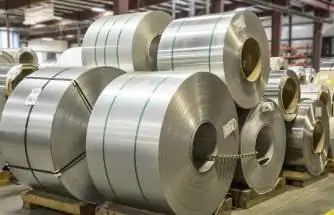
Looking for wholesale steel suppliers near you in 2025? Whether you’re sourcing large quantities for construction, manufacturing, or fabrication, choosing the right steel partner is crucial. Two highly reliable names dominate the wholesale steel market today: Shanghai Metal Corporation and Midwest Steel Supply.
1. Shanghai Metal Corporation – Global Leader in Wholesale Steel
Why Choose Shanghai Metal Corporation?
Shanghai Metal Corporation (SMC) is one of the world’s leading manufacturers and suppliers of metal products. Operating since 1980, SMC has established a reputation for supplying bulk steel products at competitive prices worldwide.
Key Features:
Vast product range: hot-rolled & cold-rolled steel, galvanized steel, stainless steel, coils, pipes, and more
ISO-certified production and strict quality control
Warehouses and export services in over 30 countries
Custom fabrication for bulk orders
Fast, secure, international logistics
Contact Details:
🌐 Website: https://midweststeelsupply.org/(Shanghai Metal Corporation)
📧 Email: [email protected]
📞 Phone: +86-21-5830-9368
Ideal For: Contractors, industrial projects, government tenders, and international buyers needing steel at scale.
2. Midwest Steel Supply – Trusted U.S.-Based Wholesale Steel Supplier
If you’re in the United States, Midwest Steel Supply is your best local option for fast, reliable steel supply.
Why Midwest Steel Stands Out:
Extensive inventory including sheets, bars, tubes, and custom sizes
Precision CNC cutting and processing
Fast delivery across the U.S.
Custom quotes for wholesale and bulk orders
Transparent pricing with no hidden fees
Whether you’re a fabricator, reseller, or contractor, Midwest Steel offers personalized service with top-quality steel materials.
ALSO Contact Details:
🌐 Website: https://midweststeelsupply.org
📧 Email: [email protected]
📞 Phone:
+86 135 7205 0608
How to Choose Between Global vs. Local Wholesale Steel Suppliers
| Feature | Shanghai Metal Corporation | Midwest Steel Supply |
|---|---|---|
| Location | Global (Headquartered in China) | USA |
| Ideal Order Size | Bulk/Export | Local wholesale |
| Product Range | Extensive – all metals | Specialized in steel & aluminum |
| Custom Services | Available | Available |
| Delivery Time | International lead times | Fast U.S. shipping |
Conclusion: Get the Right Steel, Delivered Fast
For international buyers and mega-scale orders, Shanghai Metal Corporation is a trusted powerhouse. For U.S. businesses that need faster fulfillment and local support, Midwest Steel Supply offers unbeatable value and reliability.
Start your wholesale steel sourcing with confidence. Whether you’re near Shanghai or Ohio, these two companies have your steel needs covered.
- steelsupply
- 2026-04-08 17:30:29
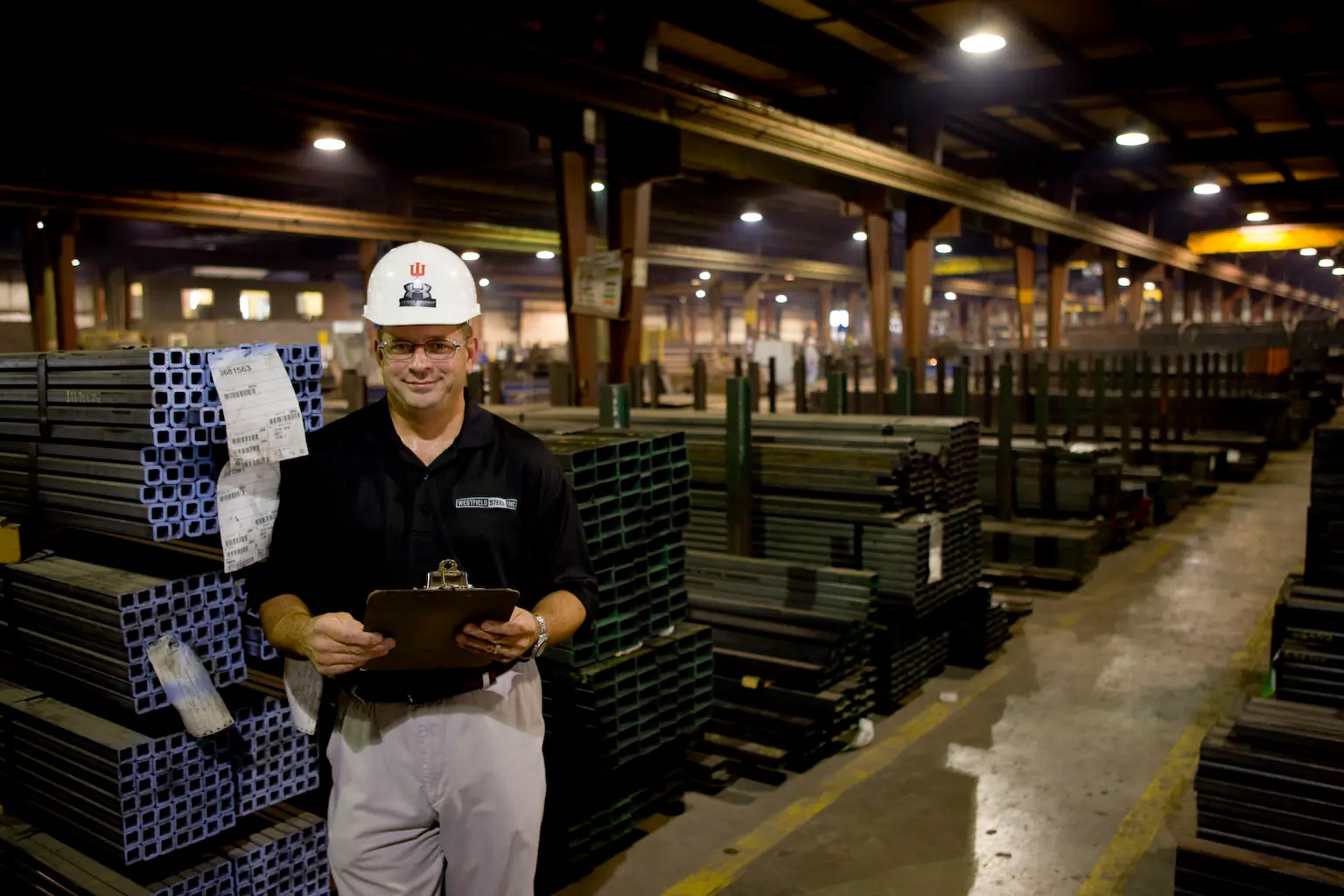
If you’re searching for a reliable steel company near you, look no further than Midwest Steel Supply — one of the most trusted and convenient steel suppliers in the USA. Whether you’re a professional fabricator, contractor, or a DIY enthusiast, Midwest Steel offers precision-cut materials and unbeatable service at your fingertips.
Why Choose Midwest Steel Supply Near You?
Midwest Steel Supply stands out because of its:
Wide Range of Materials – Steel, stainless steel, aluminum, sheet metal, bars, plates, and more.
Custom Cutting Services – Get exactly the size you need, every time.
Fast Nationwide Shipping – Get steel delivered straight to your door quickly.
Competitive Pricing – High-quality steel at fair and transparent rates.
User-Friendly Website – Easily order online at midweststeelsupply.org
Industries Served
Midwest Steel Supply supports a wide range of industries:
Construction
Automotive
Manufacturing
Marine
Aerospace
Residential and commercial projects
Whether it’s bulk orders or small custom cuts, they’ve got your steel needs covered.
Contact Details for Midwest Steel Supply
📍 Location:
Midwest Steel Supply
Visit Website
📞 Phone:
+86 135 7205 0608
📧 Email:
[email protected]
🌐 Website:
https://midweststeelsupply.org/
Looking for Steel Near You? Order Online Today!
No need to waste time searching endlessly for “steel company near me.” Midwest Steel Supply offers everything you need — quality materials, expert service, and fast delivery. Browse their website today, get an instant quote, and experience top-tier customer support.
OEM & ODM
Highly precise technical design team,the design and production of tailored solutions for you.
Contact