


Steel Materials for Power Engineering Projects
Product Menu
- Steel Bar
- Powder High-speed Steel
- Aerospace Alloy Bar
- Aerospace Alloy Sheet
- Titanium Alloy Strip Coil/Sheet/Foil
- Titanium Alloy Pipe and Fitting
- Aluminum Strip Coil/Sheet
- Stainless Steel Strip Coil/Sheet
- Hot-rolled Steel Strip Coil/Sheet
- Cold-rolled Steel Strip Coil/Sheet
- Galvanized Steel Strip Coil/Sheet
- Color-coated Steel Strip Coil/Sheet
- Seamless Steel Pipe
- Welded Steel Pipe
- H-shaped Steel
- Angle Steel/Channel Steel
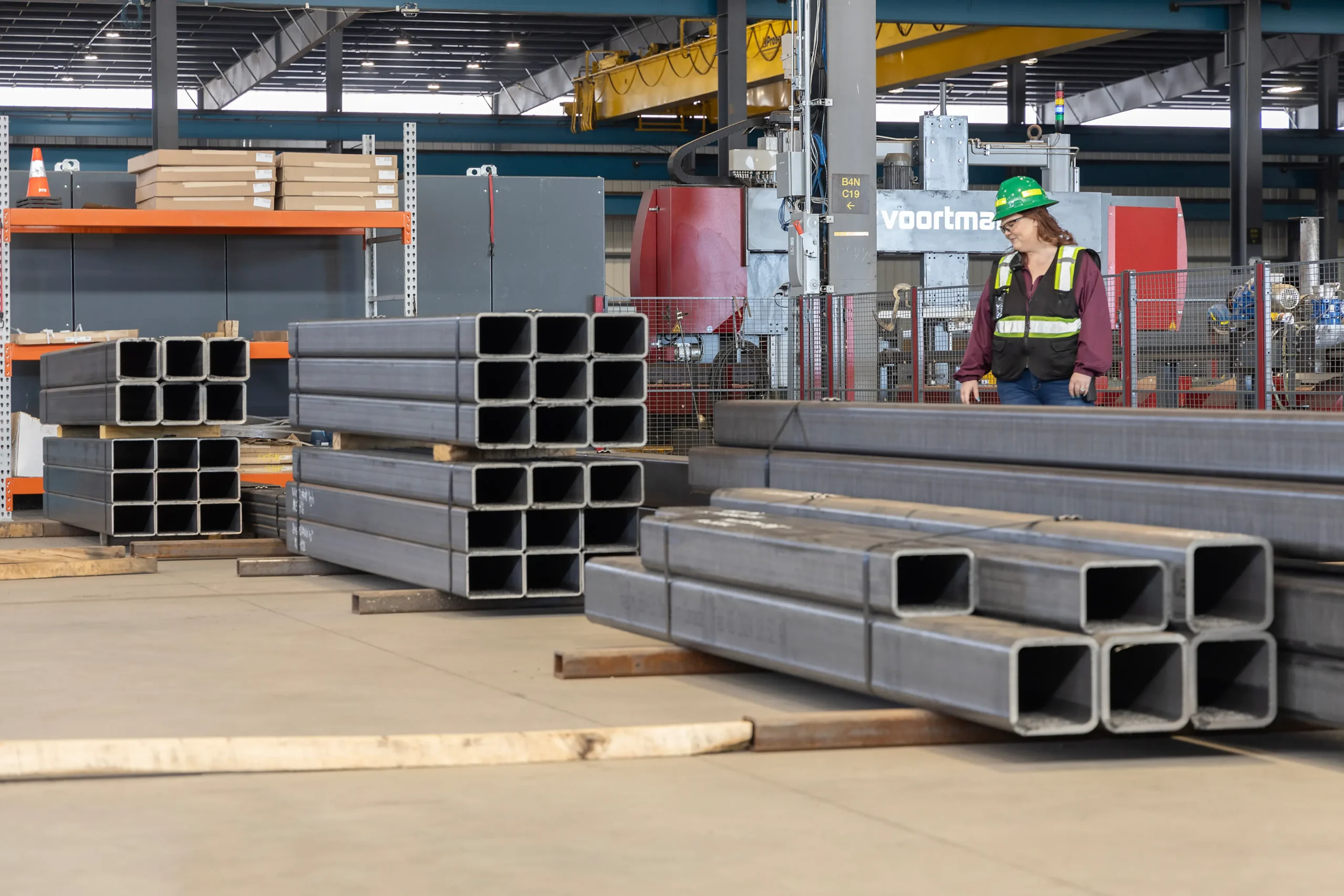
Steel is one of the most critical materials used in power engineering projects across the world. From traditional thermal plants to modern renewable energy systems, steel provides the structural strength, durability, and reliability required to support complex infrastructure. In large-scale energy developments, trusted suppliers like Midwest Steel Supply ensure that high-quality steel materials meet strict engineering and safety standards.
This article explores the different types of steel materials used in power engineering, their applications, and why they are essential for efficient and long-lasting energy infrastructure.
Why Steel is Essential in Power Engineering
Steel for Power engineering projects involves extreme conditions such as high temperatures, heavy loads, pressure systems, and environmental exposure. Steel is preferred because it offers:
- High strength-to-weight ratio
- Excellent durability and long service life
- Resistance to heat and mechanical stress
- Flexibility for fabrication and customization
- Recyclability and sustainability
These properties make steel suitable for everything from structural frameworks to specialized components in power plants.
Main Types of Steel Used in Power Projects
1. Carbon Steel
Carbon steel is the most commonly used material in power engineering due to its affordability and strength.
Applications:
- Structural beams and columns
- Pipelines and storage tanks
- General construction of plant infrastructure
Benefits:
- Cost-effective
- Easy to fabricate and weld
- Good mechanical strength
2. Alloy Steel
Alloy steel contains elements like chromium, molybdenum, and nickel, which enhance its performance under extreme conditions.
Applications:
- Boilers and pressure vessels
- Turbine components
- High-temperature piping systems
Benefits:
- Improved heat resistance
- Higher strength and toughness
- Better corrosion resistance than carbon steel
3. Stainless Steel
Stainless steel is known for its excellent corrosion resistance, making it ideal for harsh environments.
Applications:
- Cooling systems
- Chemical processing units
- Nuclear power plant components
Benefits:
- مقاومة عالية للتآكل (high corrosion resistance)
- Low maintenance
- Long lifespan
4. Galvanized Steel
Galvanized steel is coated with zinc to prevent rust and corrosion, especially in outdoor applications.
Applications:
- Transmission towers
- Solar panel mounting structures
- Wind turbine frameworks
Benefits:
- Protection against environmental damage
- Extended durability
- Low maintenance requirements
5. High-Strength Low-Alloy (HSLA) Steel
HSLA steel is engineered for higher strength and better resistance to atmospheric corrosion compared to regular carbon steel.
Applications:
- Heavy structural components
- Bridges and support structures in power plants
- Offshore energy platforms
Benefits:
- Lightweight yet strong
- Improved performance in demanding environments
- Reduced material usage
Key Applications of Steel in Power Engineering
Structural Frameworks
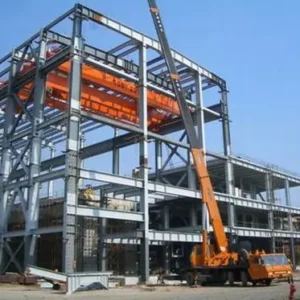
Steel forms the backbone of power plants, supporting heavy equipment such as turbines, generators, and boilers.
Pipelines and Pressure Systems
Steel pipes transport steam, water, oil, and gas within power plants. These systems require materials that can withstand high pressure and temperature.
Power Transmission Infrastructure
Steel is widely used in transmission towers and substations to ensure reliable electricity distribution over long distances.
Renewable Energy Systems
Steel plays a crucial role in renewable energy projects:
- Wind turbine towers
- Solar mounting systems
- Hydropower equipment
Importance of Quality and Standards
In power engineering, the quality of steel materials directly impacts safety and performance. Materials must meet strict standards such as:
- ASTM (American Society for Testing and Materials)
- ASME (American Society of Mechanical Engineers)
- AISC (American Institute of Steel Construction)
Reliable suppliers like Midwest Steel Supply help ensure compliance with these standards, reducing risks and improving project outcomes.
Factors to Consider When Selecting Steel Materials
Load Requirements
Different parts of a power plant experience different loads. Structural steel must be chosen based on its load-bearing capacity.
Environmental Conditions
Exposure to moisture, chemicals, and temperature variations affects material selection. For example, stainless steel is preferred in corrosive environments.
Temperature Resistance
High-temperature areas such as boilers require alloy steel with heat-resistant properties.
Cost Efficiency
Balancing performance with budget is essential for large-scale projects.
Challenges in Steel Usage
While steel offers many advantages, power engineering projects may face challenges such as:
- Corrosion in harsh environments
- Fluctuating material costs
- Complex fabrication requirements
- Transportation and logistics issues
These challenges can be minimized by proper material selection and working with experienced suppliers.
Future Trends in Steel for Power Engineering
The power industry is evolving, and so is the use of steel materials. Some key trends include:
- Development of advanced alloys for extreme environments
- Increased use of recycled and eco-friendly steel
- Smart coatings to enhance corrosion resistance
- Modular construction techniques for faster project completion
These innovations are helping improve efficiency, reduce costs, and support sustainable energy development.
Conclusion
Steel materials are the foundation of modern power engineering projects. From carbon steel used in basic structures to advanced alloy and stainless steels designed for extreme conditions, each type plays a critical role in building safe and efficient energy systems.
Choosing the right materials—and the right Steel supplier—is essential for project success. Companies like Midwest Steel Supply provide the expertise and quality assurance needed to meet the demanding requirements of the power industry.
As global energy needs continue to grow, steel will remain a key driver in the development of reliable, durable, and sustainable power infrastructure.
Lastest Posts List
OEM & ODM
Highly precise technical design team,the design and production of tailored solutions for you.
Contact
Related Posts
Order Steel Plates Online with...
How to Find the Steel...
EN10025 S355J0W Weathering Steel Price...
Seasonal Pricing for Galvanized Strip...
Midwest Steel Supply Expands Footprint...
ASTM Standards Steel for Power...
Steel Fabrication for Power Infrastructure...
High Strength Steel for Transmission...
Steel Materials for Power Engineering...