


High Strength Steel for Transmission Towers: The Role of Midwest Steel Supply
Product Menu
- Steel Bar
- Powder High-speed Steel
- Aerospace Alloy Bar
- Aerospace Alloy Sheet
- Titanium Alloy Strip Coil/Sheet/Foil
- Titanium Alloy Pipe and Fitting
- Aluminum Strip Coil/Sheet
- Stainless Steel Strip Coil/Sheet
- Hot-rolled Steel Strip Coil/Sheet
- Cold-rolled Steel Strip Coil/Sheet
- Galvanized Steel Strip Coil/Sheet
- Color-coated Steel Strip Coil/Sheet
- Seamless Steel Pipe
- Welded Steel Pipe
- H-shaped Steel
- Angle Steel/Channel Steel
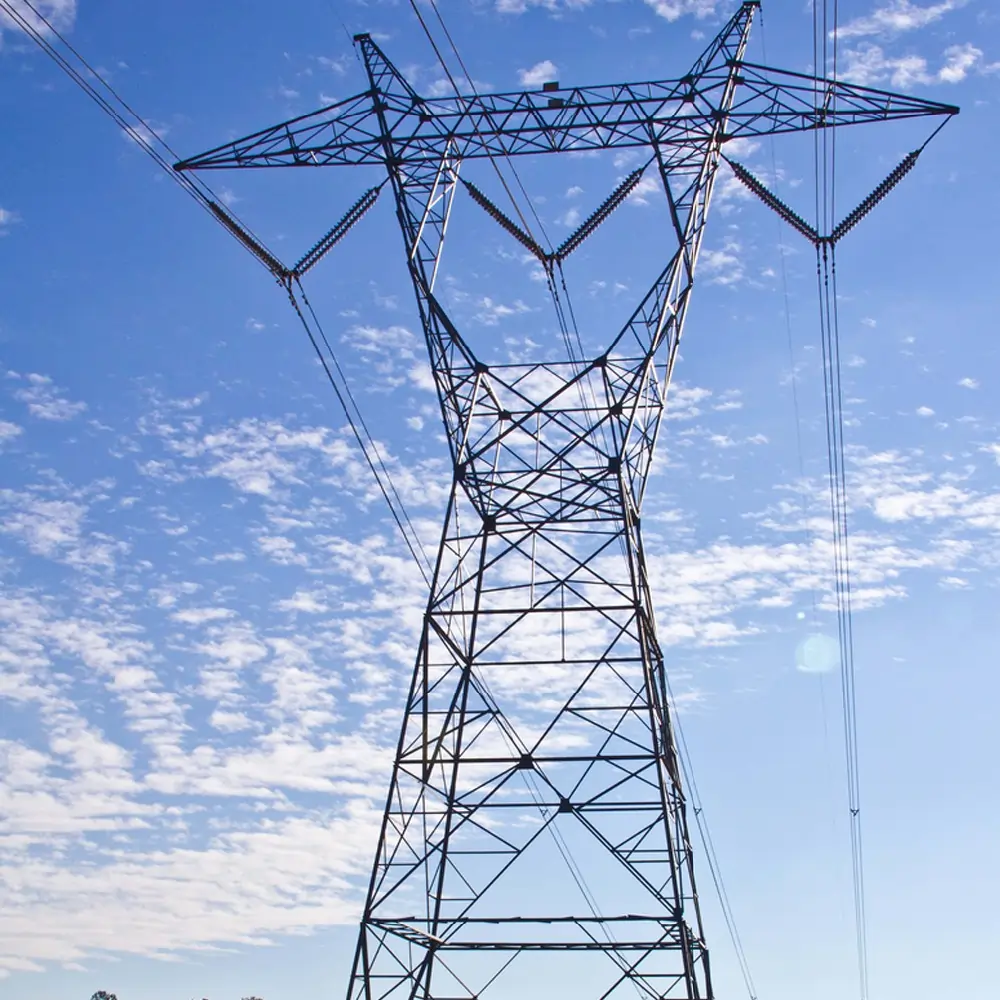
Transmission towers are the backbone of modern electrical infrastructure, carrying high-voltage power across cities, states, and entire regions. These structures must withstand extreme environmental conditions, heavy mechanical loads, and decades of continuous operation. This is why high strength steel is the preferred material for transmission towers in the United States.
Reliable suppliers like Midwest Steel Supply play a critical role in providing premium-grade steel that meets the demanding requirements of power engineering projects.
Why High Strength Steel is Essential for Transmission Towers
Steel for Transmission towers is exposed to wind loads, temperature fluctuations, seismic activity, and corrosion. Ordinary materials cannot handle such stress over long periods. High strength steel is specifically engineered to deliver superior performance under these conditions.
Key Advantages:
1. Exceptional Load-Bearing Capacity
High strength steel can support heavy electrical conductors and withstand tension forces over long spans without deformation.
2. Reduced Material Weight
Because of its higher strength, less material is needed. This reduces the overall weight of the tower, making transportation and installation more efficient.
3. Improved Durability
High strength steel ensures long service life, often exceeding 40–50 years with proper maintenance.
4. Resistance to Environmental Stress
It performs well under harsh weather conditions, including strong winds, rain, and temperature extremes.
Types of High Strength Steel Used in Transmission Towers
High-Strength Low-Alloy (HSLA) Steel
HSLA steel is widely used in transmission towers due to its excellent strength-to-weight ratio and corrosion resistance.
Features:
- Enhanced mechanical properties
- Better atmospheric corrosion resistance
- Ideal for large-scale outdoor structures
Galvanized High Strength Steel
Galvanization adds a protective zinc coating to prevent rust, making it perfect for outdoor infrastructure.
Applications:
- Lattice towers
- Substation structures
- Rural and coastal transmission lines
Weathering Steel
Also known as corten steel, this type forms a protective oxide layer that reduces corrosion.
Benefits:
- Minimal maintenance
- Long-term durability
- Suitable for harsh climates
Key Components of Transmission Towers Using Steel
High strength steel is used in multiple parts of a transmission tower:
- Main Legs: تحمل the entire structural load
- Cross Arms: support conductors and insulators
- Bracing Systems: provide stability against wind forces
- Foundations (anchor bolts): ensure firm ground connection
Each component requires precise engineering and high-quality steel to ensure overall system reliability.
Manufacturing and Fabrication Considerations
The performance of transmission towers depends not only on the type of steel but also on fabrication quality. Key processes include:
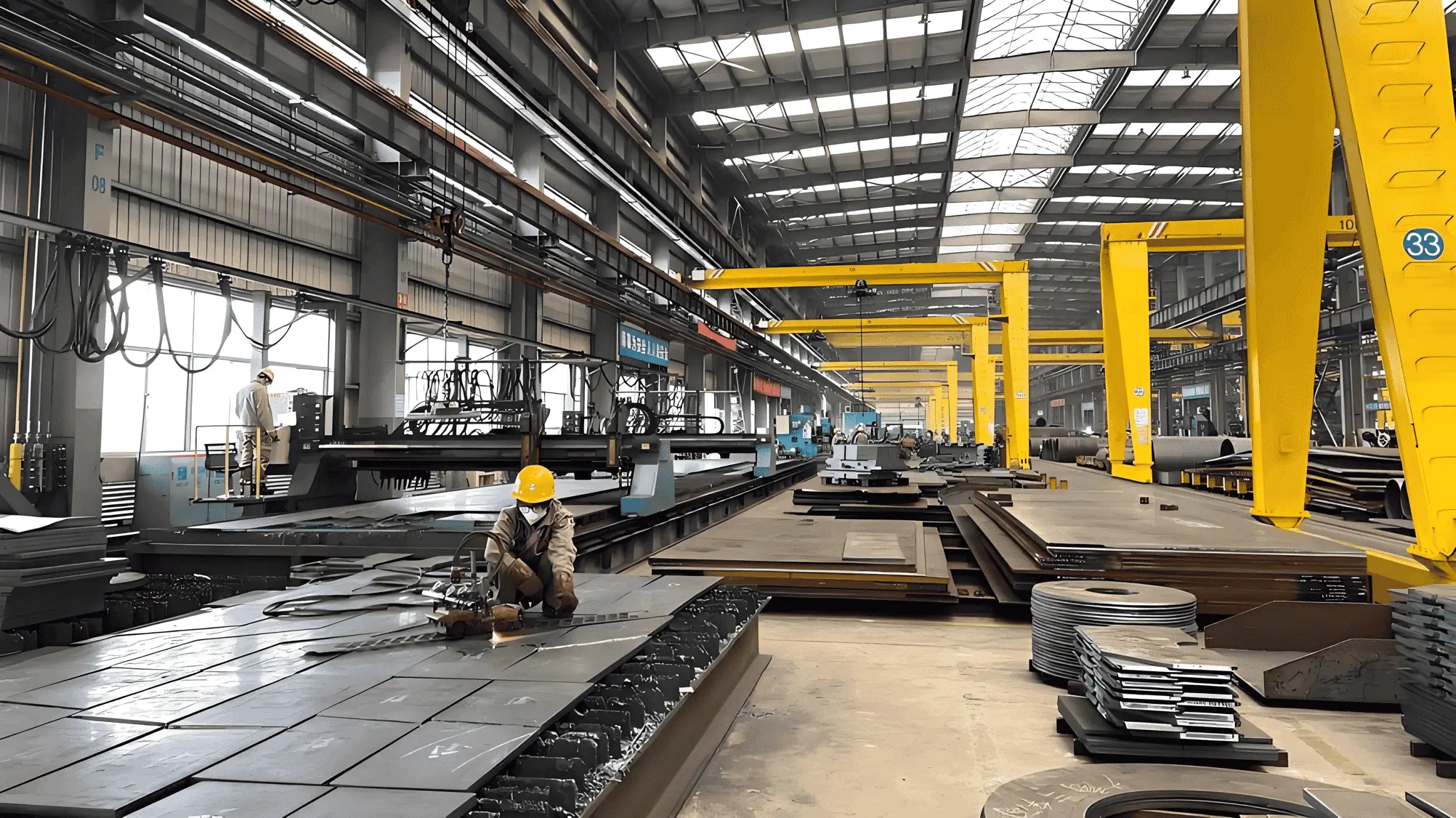
- Cutting and shaping steel sections
- Welding and bolting connections
- Hot-dip galvanizing for corrosion protection
- Quality testing and certification
Suppliers like Midwest Steel Supply ensure that all materials meet strict U.S. standards, including ASTM and AISC requirements.
Benefits of Partnering with a Reliable Steel Supplier
Choosing the right steel supplier is crucial for power infrastructure projects. A trusted provider offers:
- Consistent material quality
- Compliance with engineering standards
- Timely delivery for large-scale projects
- Custom solutions for unique tower designs
Midwest Steel Supply is known for supporting industrial and energy sectors with high-quality steel products tailored to demanding applications like transmission towers.
Challenges in Transmission Tower Construction
Despite its advantages, using high strength steel comes with certain challenges:
Corrosion Risks
Even strong steel can corrode over time without proper coating or maintenance.
Cost Considerations
High strength steel may have a higher initial cost, but it reduces long-term maintenance expenses.
Fabrication Complexity
Advanced steel grades require specialized manufacturing techniques.
Working with experienced suppliers helps mitigate these challenges and ensures project success.
Future Trends in Steel for Transmission Infrastructure
As energy demand grows and grids expand, the use of advanced steel materials is increasing. Key trends include:
- Ultra-high-strength steels for taller and more efficient towers
- Smart coatings for enhanced corrosion resistance
- Lightweight designs for easier installation
- Sustainable steel production methods
These innovations are shaping the future of transmission infrastructure in the U.S. and beyond.
Conclusion
High strength steel is indispensable for transmission towers, providing the strength, durability, and reliability needed to support critical power infrastructure. Its ability to withstand extreme conditions while maintaining structural integrity makes it the material of choice for modern energy projects.
Partnering with trusted suppliers like Midwest Steel Supply ensures that projects benefit from high-quality materials, expert support, and compliance with industry standards.
As the power sector continues to evolve, high strength steel will remain a key component in building efficient and resilient transmission networks.
Lastest Posts List
OEM & ODM
Highly precise technical design team,the design and production of tailored solutions for you.
Contact
Related Posts
Order Steel Plates Online with...
How to Find the Steel...
EN10025 S355J0W Weathering Steel Price...
Seasonal Pricing for Galvanized Strip...
Midwest Steel Supply Expands Footprint...
ASTM Standards Steel for Power...
Steel Fabrication for Power Infrastructure...
High Strength Steel for Transmission...
Steel Materials for Power Engineering...