


Steel Fabrication for Power Infrastructure in the USA: The Role of Midwest Steel Supply
Product Menu
- Steel Bar
- Powder High-speed Steel
- Aerospace Alloy Bar
- Aerospace Alloy Sheet
- Titanium Alloy Strip Coil/Sheet/Foil
- Titanium Alloy Pipe and Fitting
- Aluminum Strip Coil/Sheet
- Stainless Steel Strip Coil/Sheet
- Hot-rolled Steel Strip Coil/Sheet
- Cold-rolled Steel Strip Coil/Sheet
- Galvanized Steel Strip Coil/Sheet
- Color-coated Steel Strip Coil/Sheet
- Seamless Steel Pipe
- Welded Steel Pipe
- H-shaped Steel
- Angle Steel/Channel Steel
Steel fabrication is a critical process in building and maintaining power infrastructure across the United States. From massive power plants to transmission networks and renewable energy installations, fabricated steel components form the backbone of the energy sector. High-quality fabrication ensures that structures are strong, precise, and capable of withstanding extreme operational conditions.
Trusted suppliers like Midwest Steel Supply play a key role in delivering reliable steel products and fabrication solutions for power engineering projects.
What is Steel Fabrication in Power Infrastructure?
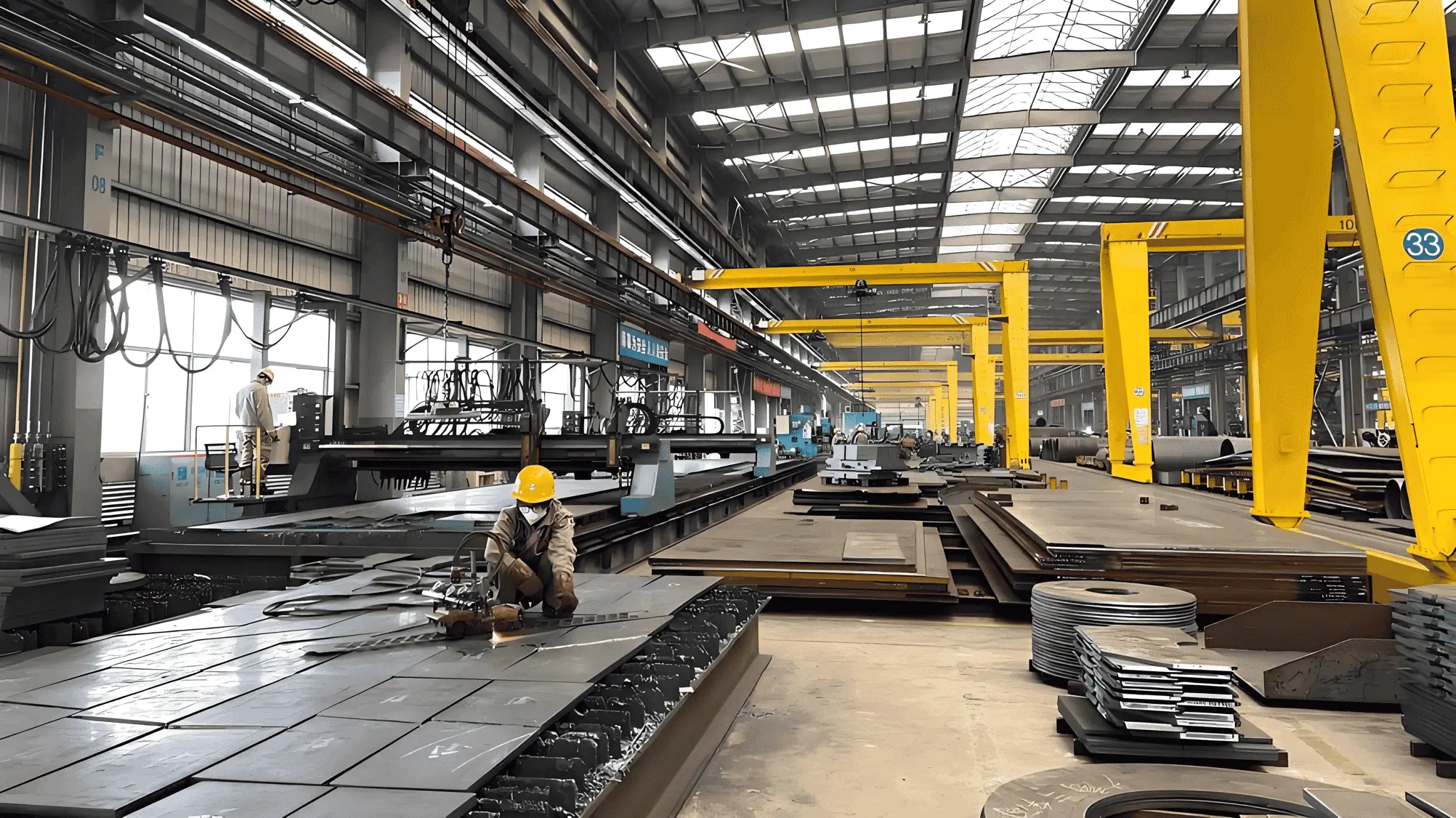
Steel fabrication involves cutting, shaping, assembling, and finishing steel to create components used in construction and industrial applications. In the power sector, this process is essential for producing customized parts that meet strict engineering and safety standards.
Fabrication transforms raw steel into:
- Structural frames
- Transmission tower components
- Equipment supports
- Platforms and walkways
- Pipeline systems
Each fabricated piece must meet precise specifications to ensure safe and efficient operation.
Importance of Steel Fabrication in Power Projects
Power infrastructure requires materials that can handle heavy loads, high temperatures, and environmental stress. Steel fabrication ensures that every component is designed for performance and durability.
Strength and Reliability
Fabricated steel structures provide the strength needed to support turbines, generators, and electrical systems.
Precision Engineering
Accurate fabrication ensures proper alignment of components, reducing operational risks and improving efficiency.
Customization
Every power project has unique requirements. Fabrication allows engineers to design components tailored to specific applications.
Long-Term Performance
High-quality fabrication extends the lifespan of infrastructure, reducing maintenance and replacement costs.
Key Applications in Power Infrastructure
1. Power Plants
Steel fabrication is widely used in thermal, nuclear, and gas power plants.
Applications include:
- Boiler support structures
- Turbine foundations
- Cooling tower frameworks
- Equipment platforms
2. Transmission and Distribution Systems
Fabricated steel components are essential for transmitting electricity over long distances.
Examples:
- Transmission towers
- Substation structures
- Cable support systems
3. Renewable Energy Projects
The rise of renewable energy has increased demand for fabricated steel.
Uses include:
- Wind turbine towers
- Solar panel mounting systems
- Hydropower structures
4. Industrial Energy Facilities
Steel fabrication supports refineries, energy storage systems, and industrial power units.
Steel Fabrication Processes
The quality of power infrastructure depends heavily on fabrication techniques. Key processes include:
Cutting
Steel is cut into required shapes using advanced tools such as laser cutting, plasma cutting, and sawing.
Bending and Forming
Steel is shaped into specific angles and curves needed for structural components.
Welding
Welding joins steel parts together, ensuring strength and stability.
Machining
Precision machining is used to achieve exact dimensions and surface finishes.
Surface Treatment
Processes like galvanizing and coating protect steel from corrosion and environmental damage.
Companies like Midwest Steel Supply ensure these processes meet strict industry standards for quality and durability.
U.S. Standards and Compliance
Steel fabrication for power infrastructure in the USA must comply with strict standards, including:
- ASTM (American Society for Testing and Materials)
- AISC (American Institute of Steel Construction)
- ASME (American Society of Mechanical Engineers)
These standards ensure that fabricated components meet safety, strength, and performance requirements.
Benefits of Choosing the Right Steel Supplier
Selecting a reliable supplier is crucial for successful project execution.
Consistent Quality
High-quality steel ensures durability and reduces the risk of structural failure.
Timely Delivery
Power projects operate on tight schedules. Reliable suppliers prevent delays.
Custom Fabrication Support
Experienced suppliers provide tailored solutions for complex designs.
Industry Expertise
Working with established companies like Midwest Steel Supply ensures access to knowledge and best practices in steel fabrication.
Challenges in Steel Fabrication for Power Infrastructure
Complex Designs
Power infrastructure requires highly detailed and precise components.
Environmental Conditions
Steel must be fabricated to withstand corrosion, temperature changes, and weather exposure.
Cost Management
Balancing quality and budget is a major challenge in large-scale projects.
Skilled Labor Requirements
Fabrication requires experienced engineers and technicians to ensure quality.
Future Trends in Steel Fabrication
The power industry is evolving, and steel fabrication is advancing alongside it.
Automation and Robotics
Automated fabrication processes improve precision and reduce production time.
Modular Construction
Prefabricated steel components allow faster on-site assembly.
Advanced Materials
New steel alloys offer improved strength and resistance to extreme conditions.
Sustainable Practices
Recycled steel and eco-friendly fabrication methods are becoming more common.
Conclusion
Steel fabrication is a cornerstone of power infrastructure development in the United States. It enables the creation of strong, reliable, and efficient structures that support energy generation and distribution systems.
From traditional power plants to modern renewable energy projects, fabricated steel components play a vital role in ensuring long-term performance and safety. Partnering with trusted suppliers like Midwest Steel Supply ensures access to high-quality materials, expert fabrication, and compliance with industry standards.
As the demand for energy continues to grow, steel fabrication will remain essential in building a resilient and sustainable power infrastructure for the future.
Lastest Posts List
OEM & ODM
Highly precise technical design team,the design and production of tailored solutions for you.
Contact
Related Posts
Order Steel Plates Online with...
How to Find the Steel...
EN10025 S355J0W Weathering Steel Price...
Seasonal Pricing for Galvanized Strip...
Midwest Steel Supply Expands Footprint...
ASTM Standards Steel for Power...
Steel Fabrication for Power Infrastructure...
High Strength Steel for Transmission...
Steel Materials for Power Engineering...