


Cobalt Alloy Bars and Gear Steel
High-Performance Materials for Wear, Strength, and Power Transmission
In advanced industrial systems, material selection is a decisive factor in performance, reliability, and service life. Components operating under extreme wear, high stress, heavy loads, and demanding environmental conditions require alloys that go far beyond the capabilities of conventional steels. Among these advanced materials, cobalt alloy bars and gear steel stand out for their exceptional mechanical properties and specialized applications.
Cobalt alloy bars are renowned for their outstanding wear resistance, thermal stability, and corrosion resistance, while gear steel is engineered specifically to handle repeated cyclic loads and high contact stresses in power transmission systems. This article explores the characteristics, advantages, applications, and industrial importance of both materials.
Understanding Alloy Bars in Industrial Applications
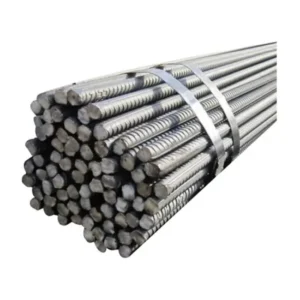
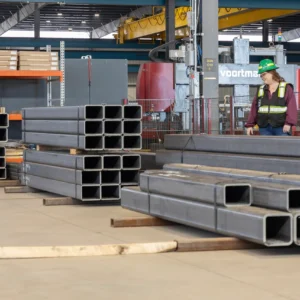
Alloy bars are solid metal products manufactured by combining a base metal with selected alloying elements to enhance performance characteristics. These bars are typically supplied in round, square, flat, or hexagonal forms and are further machined into finished components.
Cobalt alloys and gear steels represent two distinct but equally critical categories of alloy bars. One focuses on extreme wear and heat resistance, while the other is optimized for strength, toughness, and fatigue resistance in rotating and load-bearing systems.
Cobalt Alloy Bars
Definition and Composition
Cobalt alloy bars are produced using cobalt as the primary alloying element, often combined with chromium, tungsten, molybdenum, nickel, and carbon. These alloys are engineered to perform in environments involving severe wear, high temperatures, and corrosive conditions.
One of the most recognized cobalt alloy families is Stellite, widely used for its exceptional hardness and resistance to galling, abrasion, and oxidation.
Key Material Properties
1. Exceptional Wear Resistance
Cobalt alloy bars exhibit outstanding resistance to abrasive, adhesive, and erosive wear. This makes them ideal for components exposed to metal-to-metal contact, sliding friction, or particle erosion.
2. High-Temperature Stability
Unlike many steels that lose hardness at elevated temperatures, cobalt alloys retain strength and hardness even under extreme heat. This property allows components to function reliably in hot environments without deformation or loss of performance.
3. Corrosion and Oxidation Resistance
Cobalt alloys offer excellent resistance to corrosion, oxidation, and chemical attack. Chromium-rich compositions form protective oxide layers, making these alloys suitable for harsh chemical or marine environments.
4. Galling and Seizure Resistance
One of the defining advantages of cobalt alloy bars is their resistance to galling and seizure, particularly under poor lubrication conditions. This property is critical in valve systems, bearings, and sliding mechanisms.
5. Mechanical Strength and Toughness
Cobalt alloys combine hardness with sufficient toughness, allowing components to withstand impact and mechanical stress without brittle failure.
Manufacturing and Processing
Cobalt alloy bars are typically produced through forging or casting, followed by precision machining and finishing. Although these alloys are more difficult to machine than conventional steels, modern tooling and machining techniques allow accurate shaping and tight tolerances.
Heat treatment may be applied to optimize hardness or microstructure, depending on the intended application.
Typical Applications of Cobalt Alloy Bars
Cobalt alloy bars are used in industries where wear resistance and thermal stability are critical:
Valve seats, valve components, and sealing surfaces
Bearings and bushings operating under high load
Aerospace engine components and hot-section parts
Oil and gas drilling tools and wear parts
Medical and surgical instruments
Chemical processing equipment
In these applications, cobalt alloys provide long service life and reduced maintenance, even in environments where other materials rapidly degrade.
Gear Steel
Definition and Purpose
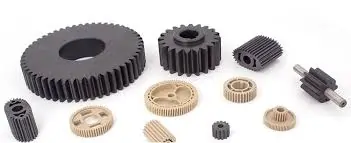
Gear steel is a category of alloy steel specifically developed for manufacturing gears and power transmission components. Gears operate under repeated cyclic loading, high contact stress, and continuous motion, making material selection critical for reliability and efficiency.
Gear steels are engineered to deliver high strength, surface hardness, core toughness, and fatigue resistance. They are commonly alloyed with elements such as carbon, chromium, nickel, molybdenum, and manganese to achieve these properties.
Key Material Properties
1. High Surface Hardness
Gear steel is often carburized, nitrided, or induction hardened to create a hard outer surface. This hardened layer resists wear and pitting caused by repeated tooth contact.
2. Tough and Ductile Core
While the surface is hard, the core of gear steel remains tough and ductile. This combination allows gears to absorb shock loads and prevent catastrophic failure.
3. Fatigue Resistance
Gears are subjected to millions of load cycles during operation. Gear steel is designed to resist bending fatigue and contact fatigue, ensuring long operational life.
4. Dimensional Stability
High-quality gear steels maintain dimensional accuracy during heat treatment and service, which is essential for maintaining gear alignment and smooth operation.
5. Good Machinability
Before heat treatment, gear steels offer good machinability, allowing precise cutting of gear teeth and complex geometries.
Heat Treatment and Performance Enhancement
Heat treatment is a defining aspect of gear steel performance. Common treatments include carburizing, quenching and tempering, nitriding, and induction hardening. These processes significantly enhance wear resistance and fatigue life while maintaining a tough core structure.
Proper heat treatment ensures gears can handle high torque, fluctuating loads, and continuous operation without premature failure.
Applications of Gear Steel
Gear steel is indispensable in industries where power transmission is critical:
Automotive transmissions and differentials
Industrial gearboxes and reducers
Wind turbine gear systems
Mining and construction equipment
Marine propulsion systems
Robotics and automation machinery
In these systems, gear steel ensures smooth power transfer, high efficiency, and long service life under demanding conditions.
Cobalt Alloy Bars vs. Gear Steel: A Functional Comparison
While both materials are used in high-performance applications, their roles differ significantly:
Cobalt alloy bars excel in environments dominated by wear, heat, corrosion, and friction.
Gear steel is optimized for load-bearing, fatigue resistance, and power transmission efficiency.
In some complex systems, both materials may be used together—cobalt alloys for wear surfaces and gear steel for structural and load-carrying components.
Industrial Importance and Future Trends
As industries continue to demand higher efficiency, longer service life, and reduced maintenance costs, the importance of advanced materials like cobalt alloy bars and gear steel continues to grow.
Advances in metallurgy, heat treatment technology, and precision machining are further enhancing the performance of these materials. Improved alloy design and surface engineering techniques are enabling lighter, stronger, and more durable components across multiple sectors.
Conclusion
Cobalt alloy bars and gear steel represent two essential pillars of modern industrial materials. Cobalt alloys deliver exceptional wear resistance, thermal stability, and corrosion protection in the harshest environments, while gear steel provides the strength, toughness, and fatigue resistance required for reliable power transmission.
By selecting the appropriate material for each application, manufacturers can achieve superior performance, extended service life, and reduced operational costs. These alloy bars are not merely raw materials—they are strategic enablers of industrial reliability and technological advancement.