


Bulk Steel Order USA: A Complete Guide to B2B Steel Procurement for Industrial Buyers
Product Menu
- Steel Bar
- Powder High-speed Steel
- Aerospace Alloy Bar
- Aerospace Alloy Sheet
- Titanium Alloy Strip Coil/Sheet/Foil
- Titanium Alloy Pipe and Fitting
- Aluminum Strip Coil/Sheet
- Stainless Steel Strip Coil/Sheet
- Hot-rolled Steel Strip Coil/Sheet
- Cold-rolled Steel Strip Coil/Sheet
- Galvanized Steel Strip Coil/Sheet
- Color-coated Steel Strip Coil/Sheet
- Seamless Steel Pipe
- Welded Steel Pipe
- H-shaped Steel
- Angle Steel/Channel Steel
Bulk Steel Order USA: A Complete Guide to B2B Steel Procurement for Industrial Buyers
Steel remains the backbone of American infrastructure, manufacturing, construction, and engineering. From skyscraper frameworks to agricultural machinery, pipelines, automotive components, and industrial equipment, steel is at the center of nearly every major industry. As demand continues to rise across states, companies increasingly rely on bulk steel order USA services to secure high-volume materials at competitive prices and dependable lead times.
For businesses, contractors, and OEM manufacturers looking to streamline purchasing and reduce costs, B2B steel procurement has become one of the most efficient and scalable solutions. Modern wholesale steel suppliers now offer contract pricing, bulk order discounts, logistics support, customized processing, and strong supply chain reliability—all essential for large-scale operations.
This article breaks down everything a business needs to know about bulk steel purchasing in the USA, how B2B procurement works, and the key factors to consider when choosing the right supplier.
What Is a Bulk Steel Order?
A bulk steel order refers to purchasing steel materials in large quantities—typically truckloads, container loads, or recurring scheduled deliveries—from a wholesale distributor or steel mill. This type of order is common among:
Construction companies
Infrastructure contractors
Automotive manufacturers
Fabrication shops
Industrial machinery producers
Energy, oil, and gas sectors
HVAC and appliance manufacturers
Warehouse builders
Government projects
Buying in bulk ensures cost savings, consistent material availability, and strong supply chain continuity.
Benefits of Bulk Steel Ordering in the USA
Businesses gain several advantages when purchasing steel in large volumes. Here are the most important:
1. Lower Cost Per Ton
Bulk purchasing significantly reduces the cost per ton. Wholesale steel suppliers offer:
Volume discounts
Contract-based pricing
Seasonal rates
Mill-direct options
Negotiated long-term pricing
For high-volume buyers, this can reduce annual steel spending by 10–30%.
2. Better Inventory Reliability
Large construction and manufacturing projects cannot afford material shortages. Bulk orders ensure:
Guaranteed supply
Reserved stock
Reduced downtime
Faster production cycles
This stabilizes your operations and protects against market volatility.
3. Improved Logistics & Delivery Scheduling
Wholesale distributors in the USA offer:
Multi-truck shipments
Freight optimization
Scheduled deliveries
Job-site drop-offs
Cross-country supply chain support
This helps businesses coordinate project timelines and reduces transportation delays.
4. Access to a Wider Range of Steel Products
Bulk steel orders often include mixed loads such as:
Structural steel (H-beams, I-beams, channels)
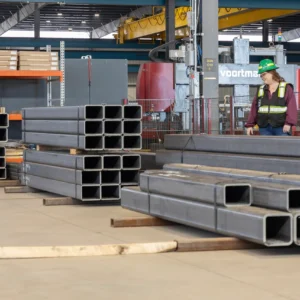
Steel tubing (square, rectangular, round)
Steel plate
Hot rolled and cold rolled sheets
Galvanized steel
Stainless steel
Alloy steel
Rebar
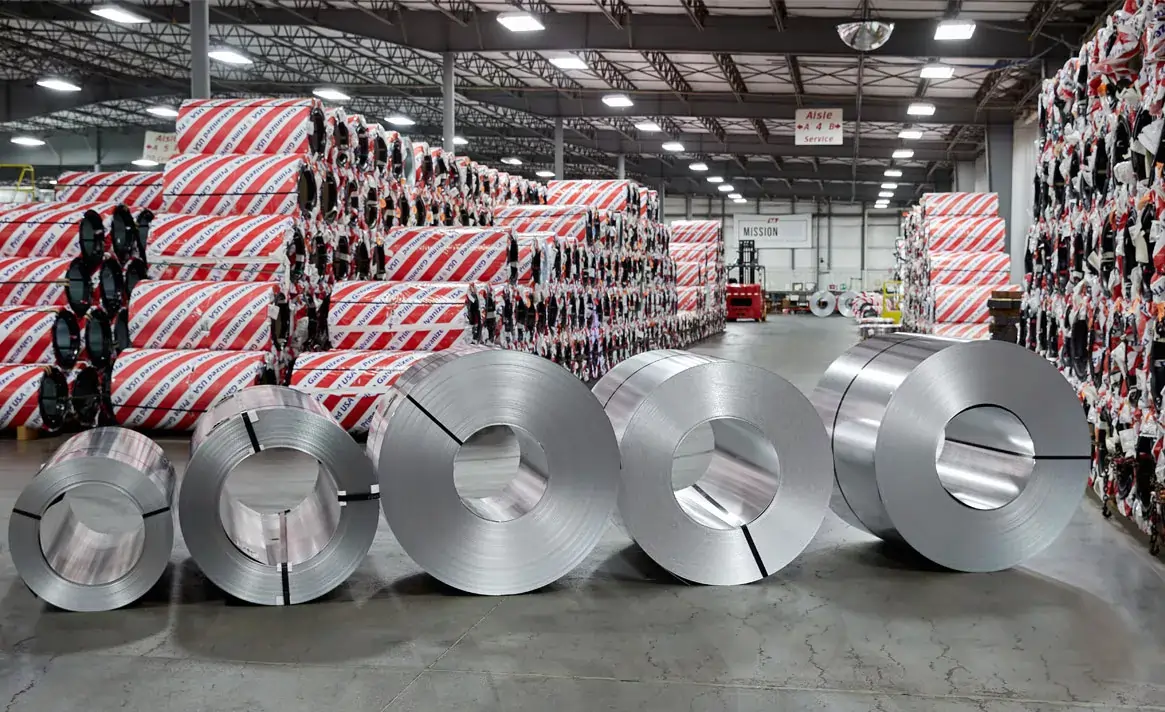
Coils
Buyers can bundle products from multiple categories in one shipment.
5. Custom Processing and Fabrication
Many suppliers offer value-added services, including:
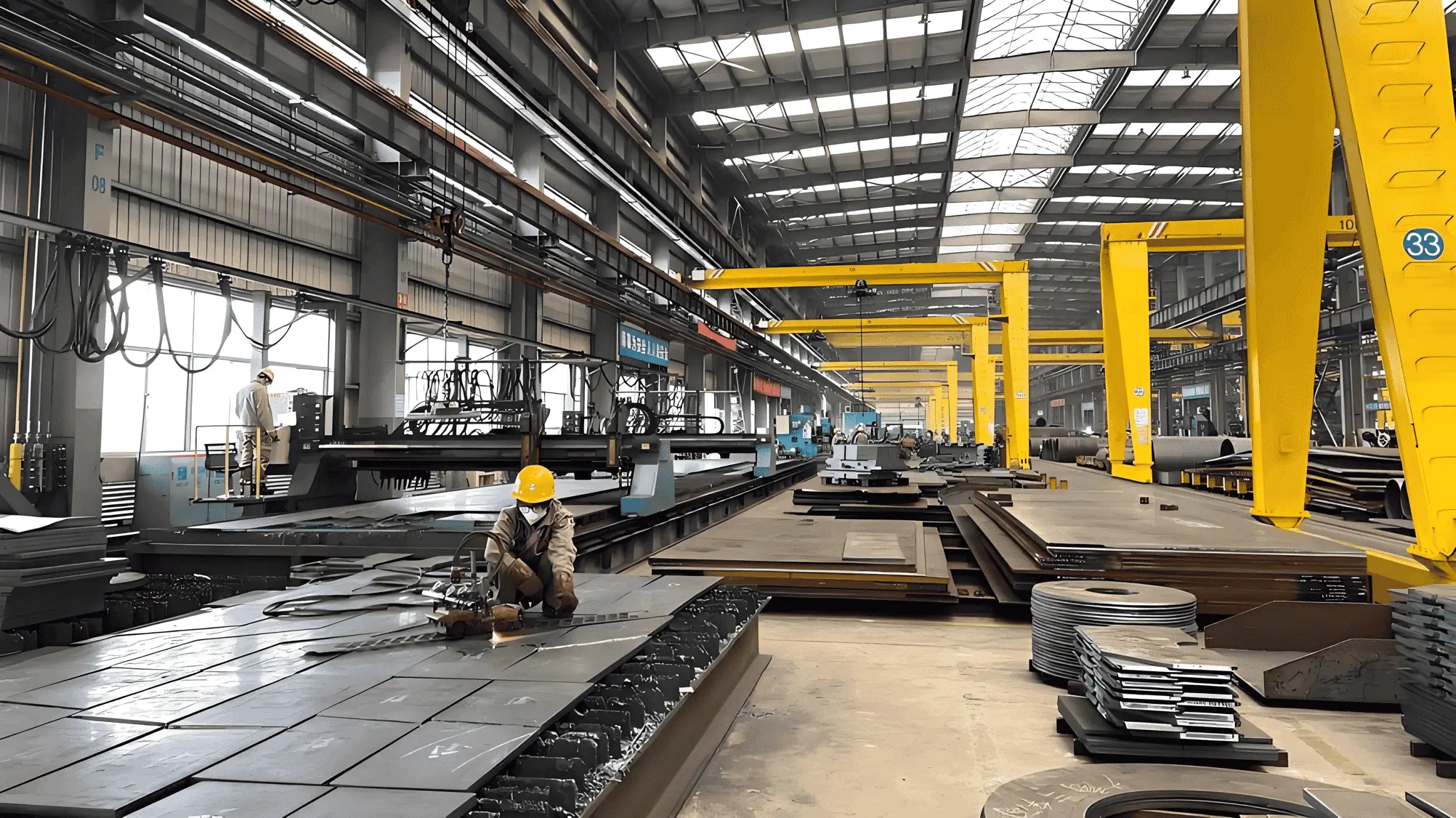
Cutting & shearing
Laser and plasma cutting
Slitting and decoiling
Bending and forming
Welding prep
CNC machining
This reduces in-house workload and ensures your steel arrives ready for production.
How B2B Steel Procurement Works
B2B steel procurement involves strategic sourcing at scale. It focuses on optimizing price, supply continuity, quality standards, and logistics for businesses relying on regular steel consumption.
Here’s how the procurement process typically works:
1. Needs Assessment
A company identifies required steel types, grades, thicknesses, and quantities based on project or operational needs.
2. Supplier Shortlisting
Procurement teams evaluate potential suppliers based on:
Inventory capacity
Geographic location
Certifications
Pricing structure
Industry experience
Midwest, Gulf, East Coast, and West Coast distributors are common choices depending on buyer location.
3. Request for Quote (RFQ)
Businesses submit RFQs for:
Bulk steel orders
Long-term supply contracts
Mill-direct shipments
Custom processing services
Suppliers respond with pricing, lead times, and availability.
4. Price Negotiation & Contract Agreements
Large B2B buyers often negotiate:
Multi-month or annual contracts
Fixed pricing or indexed pricing
Delivery schedules
Minimum and maximum order agreements
This stabilizes costs and protects against market fluctuations.
5. Delivery & Logistics Planning
The supplier plans:
Freight route optimization
Job-site or warehouse delivery
Packaging and material handling
Multiple location drops
Reliable logistics are critical for B2B steel operations.
6. Quality Assurance & Compliance
Suppliers provide:
Mill Test Certificates (MTC)
ASTM, AISI, ISO compliance
Heat number traceability
This ensures that all steel meets required safety and performance standards.
Industries That Frequently Place Bulk Steel Orders in the USA
Construction & Infrastructure
Uses large volumes of:
Structural steel beams
Rebar
Plate steel
Galvanized steel sheets
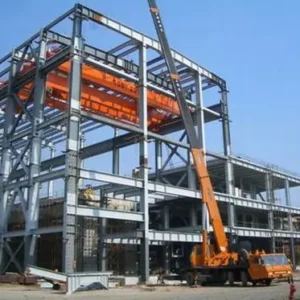
Projects include bridges, commercial buildings, factories, and distribution centers.
Automotive & Transportation
Requires:
Cold rolled steel
Galvanized sheets
Steel coils
Alloy steel
The Midwest’s automotive manufacturing hub is one of the largest steel consumers in America.
Manufacturing & Fabrication
Fabricators rely on bulk steel for:
Machine parts
Metal housings
Frames
Enclosures
Custom components
Bulk steel ensures uninterrupted production.
Oil, Gas & Energy
Uses heavy-duty materials such as:
Pipes and tubes
Structural components
Corrosion-resistant steel
These industries require consistent deliveries to remote locations.
Agriculture & Heavy Equipment
Steel tubing, plate, and structural components are essential for machinery, grain storage, and farm structures.
Why USA Companies Prefer B2B Steel Procurement
Bulk order procurement provides several operational advantages:
1. Guaranteed Material Availability
Avoids production delays and job-site shutdowns.
2. Lower Long-Term Costs
Bulk orders reduce costs for high-volume businesses.
3. Streamlined Purchasing
Reduces administrative time and simplifies vendor management.
4. Strong Supplier Partnerships
Ensures priority service during peak seasons.
5. Better Quality Control
Reliable suppliers maintain strict standards for each batch.
Choosing the Right Supplier for Bulk Steel Orders in the USA
When selecting a wholesale steel supplier, consider the following:
1. Inventory Size & Product Range
A strong supplier should carry:
Structural steel
Tubing
Plate
Coils
Galvanized steel
Stainless & alloy steel
Large inventory means faster turnaround.
2. Nationwide Delivery Capabilities
Choose suppliers with warehouses in:
Midwest
Gulf Coast
East Coast
West Coast
This can dramatically reduce freight costs.
3. Competitive Pricing & Contract Options
Look for transparent, scalable pricing.
4. Processing Services
The more processing a supplier offers, the more value you gain.
5. Reputation & Experience
Long-established suppliers provide more reliable service.
Final Thoughts
For construction firms, manufacturers, fabricators, and industrial buyers, placing a bulk steel order USA is one of the most cost-effective and efficient methods of sourcing raw materials. When combined with strategic B2B steel procurement, companies can reduce expenses, secure consistent supply, and optimize production timelines.
Lastest Posts List
OEM & ODM
Highly precise technical design team,the design and production of tailored solutions for you.
Contact
Related Posts
Order Steel Plates Online with...
How to Find the Steel...
EN10025 S355J0W Weathering Steel Price...
Seasonal Pricing for Galvanized Strip...
Midwest Steel Supply Expands Footprint...
ASTM Standards Steel for Power...
Steel Fabrication for Power Infrastructure...
High Strength Steel for Transmission...
Steel Materials for Power Engineering...