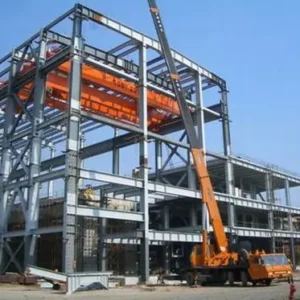



ASTM A29/29M Standard Specification for Steel Bars, Carbon and Alloy, Hot-Wrought
Product Menu
- Steel Bar
- Powder High-speed Steel
- Aerospace Alloy Bar
- Aerospace Alloy Sheet
- Titanium Alloy Strip Coil/Sheet/Foil
- Titanium Alloy Pipe and Fitting
- Aluminum Strip Coil/Sheet
- Stainless Steel Strip Coil/Sheet
- Hot-rolled Steel Strip Coil/Sheet
- Cold-rolled Steel Strip Coil/Sheet
- Galvanized Steel Strip Coil/Sheet
- Color-coated Steel Strip Coil/Sheet
- Seamless Steel Pipe
- Welded Steel Pipe
- H-shaped Steel
- Angle Steel/Channel Steel
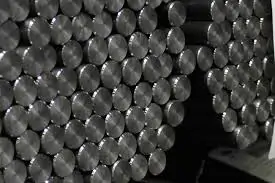
ASTM A29/29M is a widely recognized standard specification developed by ASTM International that defines the requirements for hot-wrought carbon and alloy steel bars. This specification plays a crucial role in ensuring consistency, quality, and reliability in steel products used across various industrial applications. From automotive components to heavy machinery, ASTM A29/29M steel bars are essential materials in modern manufacturing.
Overview of ASTM A29/29M
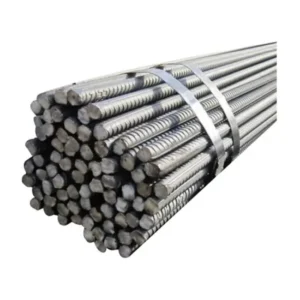
ASTM A29/29M covers carbon steel and alloy steel bars that are produced through hot-working processes such as rolling, forging, or hammering. The standard applies to bars supplied in straight lengths or coils and includes various shapes such as rounds, squares, hexagons, and flats.
The “A29” designation refers to the inch-pound (imperial) system, while “A29M” represents the metric (SI) equivalent. This dual designation makes the standard globally applicable, supporting both domestic and international steel markets.
Scope and Purpose
The primary purpose of ASTM A29/29M is to establish uniform requirements for:
Chemical composition
Mechanical properties
Heat treatment conditions
Dimensional tolerances
Surface quality
Testing and inspection methods
By defining these parameters, the standard ensures that steel bars supplied under ASTM A29/29M are suitable for further processing such as machining, forging, heat treatment, or welding.
Types of Steel Covered
ASTM A29/29M includes a wide range of carbon and alloy steel grades, making it a versatile specification. Common categories include:
Carbon Steels
These steels primarily contain carbon as the main alloying element. Typical grades include 1018, 1020, 1045, and similar compositions. Carbon steel bars under ASTM A29/29M are valued for their machinability, strength, and cost-effectiveness.Alloy Steels
Alloy steels contain additional elements such as chromium, molybdenum, nickel, or manganese to enhance mechanical properties. Popular alloy grades like 4140, 4130, 4340, and 8620 are commonly supplied under ASTM A29/29M for high-strength and high-performance applications.
Chemical Composition Requirements
The standard specifies allowable ranges for chemical elements depending on the steel grade. These elements may include:
Carbon (C)
Manganese (Mn)
Phosphorus (P)
Sulfur (S)
Silicon (Si)
Chromium (Cr), Nickel (Ni), and Molybdenum (Mo) for alloy steels
Strict control of chemical composition ensures predictable performance during heat treatment and service conditions.
Mechanical Properties
ASTM A29/29M does not always mandate specific mechanical property values such as tensile strength or yield strength unless required by the grade or purchase order. Instead, it focuses on chemical composition and manufacturing practices, allowing mechanical properties to be achieved through subsequent heat treatment.
However, when mechanical testing is required, it is typically performed in accordance with related ASTM standards such as ASTM A370.
Heat Treatment Conditions
Steel bars under ASTM A29/29M may be supplied in various conditions, including:
Hot-rolled
Annealed
Normalized
Quenched and tempered (when specified)
The heat treatment condition must be clearly stated in the purchase order to ensure the steel meets the intended application requirements.
Dimensional Tolerances and Surface Quality
The standard outlines permissible tolerances for bar dimensions, straightness, and out-of-roundness. Surface imperfections such as seams, laps, or cracks are controlled to ensure the material is suitable for machining and forming operations.
Surface conditioning methods like grinding or peeling may be applied when higher surface quality is required.
Testing and Inspection
ASTM A29/29M requires manufacturers to perform appropriate inspections and tests to verify compliance. These may include:
Chemical analysis
Visual inspection
Dimensional measurement
Optional mechanical testing
Certification and mill test reports (MTRs) are typically provided to confirm that the material meets ASTM A29/29M requirements.
Applications of ASTM A29/29M Steel Bars
Due to their versatility and reliability, ASTM A29/29M steel bars are used in a wide range of industries, including:
Automotive and transportation
Construction and infrastructure
Oil and gas
Power generation
Heavy equipment manufacturing
Common applications include shafts, gears, bolts, studs, axles, forgings, and machined components.
Advantages of ASTM A29/29M
Some key benefits of using ASTM A29/29M steel bars include:
Broad range of available grades
Compatibility with heat treatment processes
Consistent quality and global acceptance
Suitable for both structural and mechanical applications
Conclusion
ASTM A29/29M is a fundamental steel specification that ensures the quality and performance of hot-wrought carbon and alloy steel bars. By defining clear requirements for chemical composition, manufacturing practices, and inspection, the standard provides confidence to engineers, manufacturers, and end users. Whether used in simple machined parts or high-stress mechanical components, ASTM A29/29M steel bars continue to be a trusted material choice across industries worldwide.
Lastest Posts List
OEM & ODM
Highly precise technical design team,the design and production of tailored solutions for you.
Contact
Related Posts
Order Steel Plates Online with...
How to Find the Steel...
EN10025 S355J0W Weathering Steel Price...
Seasonal Pricing for Galvanized Strip...
Midwest Steel Supply Expands Footprint...
ASTM Standards Steel for Power...
Steel Fabrication for Power Infrastructure...

High Strength Steel for Transmission...
Steel Materials for Power Engineering...