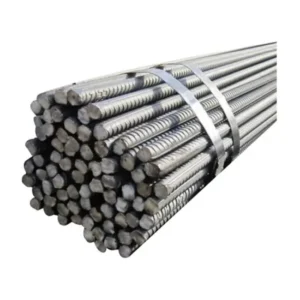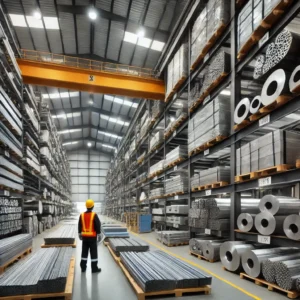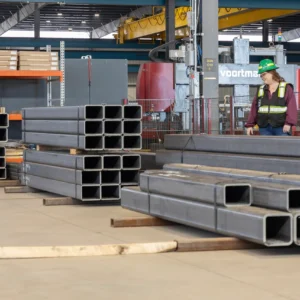



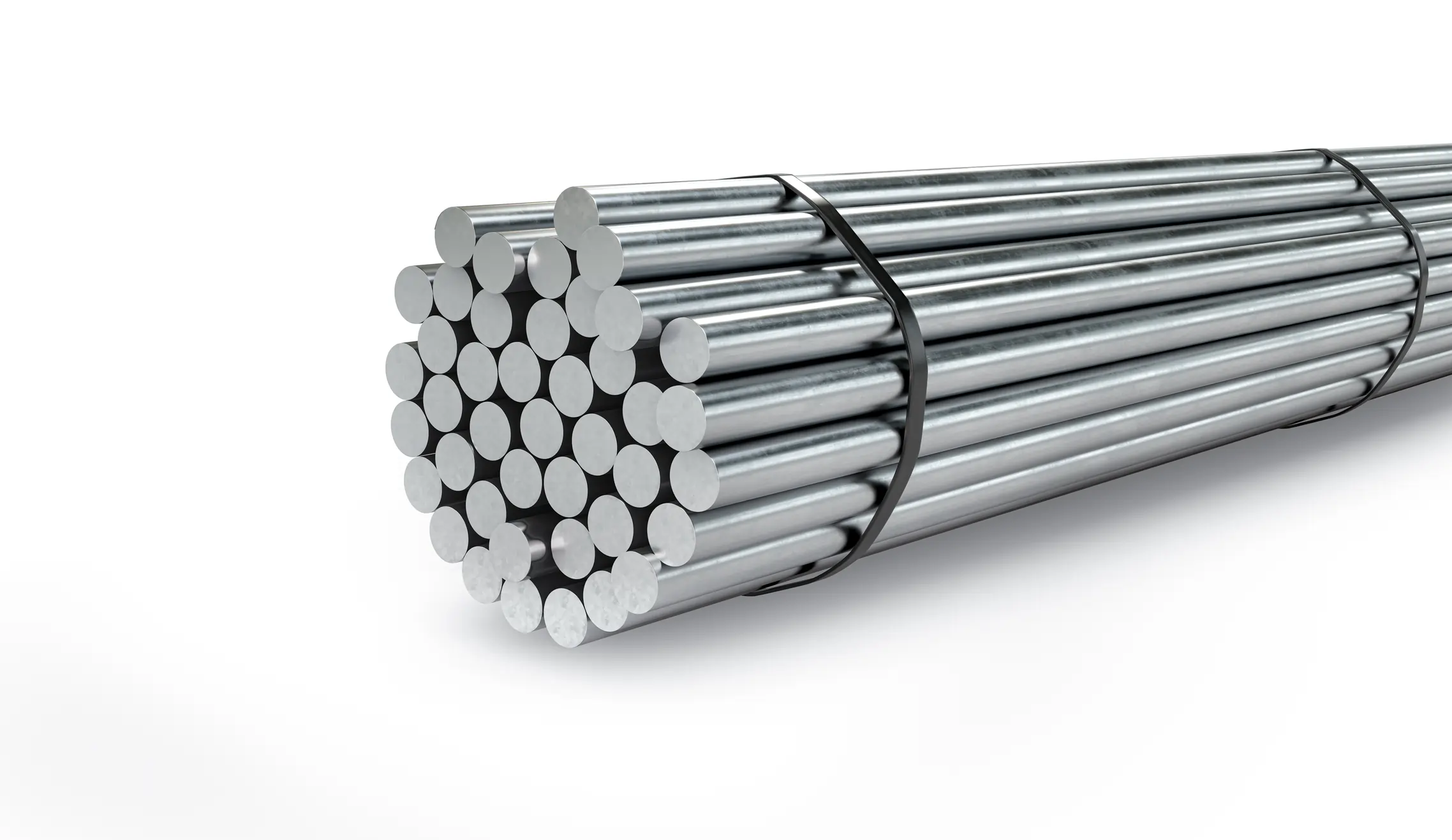
Aluminum nickel copper bars are specialized metal products widely used in industries that demand high strength, excellent corrosion resistance, and reliable performance under extreme conditions. These bars are typically manufactured from aluminum-based alloys that include nickel and copper as key alloying elements, each contributing unique mechanical and chemical properties. Due to their versatility, aluminum nickel copper bars have become essential materials in aerospace, marine, automotive, electrical, and industrial engineering applications.
Composition and Metallurgical Characteristics
Aluminum nickel copper bars are produced by alloying aluminum with controlled amounts of nickel and copper. Aluminum serves as the base metal, valued for its lightweight nature, high thermal conductivity, and natural resistance to corrosion. Copper is added to enhance strength, hardness, and machinability, while nickel improves high-temperature stability, corrosion resistance, and fatigue strength.
The synergy between these elements results in an alloy that offers a balanced combination of strength and durability without significantly increasing weight. This makes aluminum nickel copper bars especially suitable for applications where weight reduction is critical but mechanical reliability cannot be compromised. The precise composition may vary depending on standards and end-use requirements, allowing manufacturers to tailor properties such as tensile strength, wear resistance, and electrical conductivity.
Mechanical and Physical Properties
One of the most notable advantages of aluminum nickel copper bars is their superior mechanical performance compared to pure aluminum. The presence of copper significantly increases tensile and yield strength, while nickel enhances resistance to thermal deformation and oxidation. These bars generally exhibit excellent fatigue resistance, making them ideal for components subjected to cyclic loads.
In terms of physical properties, aluminum nickel copper bars retain aluminum’s low density, ensuring a favorable strength-to-weight ratio. They also demonstrate good thermal and electrical conductivity, which is important in electrical and heat-transfer applications. Additionally, these bars are known for their good machinability and formability, allowing them to be easily cut, drilled, forged, or milled into complex shapes.
Corrosion and Heat Resistance
Corrosion resistance is another key feature of aluminum nickel copper bars. Aluminum naturally forms a protective oxide layer that prevents further oxidation, while nickel enhances resistance to chemical attack, especially in marine or industrial environments. This makes these bars suitable for use in coastal areas, chemical processing plants, and offshore structures.
Nickel also improves the alloy’s ability to withstand high temperatures without losing mechanical integrity. As a result, aluminum nickel copper bars are commonly used in applications involving heat exposure, such as engine components, heat exchangers, and power generation equipment. Their ability to maintain strength at elevated temperatures extends service life and reduces maintenance costs.
Industrial Applications
The versatility of aluminum nickel copper bars has led to their adoption across a wide range of industries. In the aerospace sector, they are used in structural components, fasteners, and fittings where lightweight strength and thermal stability are essential. The automotive industry utilizes these bars in engine parts, transmission components, and electrical systems to improve performance while reducing overall vehicle weight.
In marine applications, aluminum nickel copper bars are valued for their resistance to seawater corrosion and biofouling. They are commonly used in shipbuilding, propeller shafts, pumps, and marine hardware. Electrical and electronics industries also rely on these bars for bus bars, connectors, and conductive components due to their good electrical conductivity and mechanical strength.
Additionally, aluminum nickel copper bars are widely used in industrial machinery, tooling, and molds. Their wear resistance and machinability make them suitable for precision parts and heavy-duty equipment. In renewable energy sectors, such as wind and solar power, these bars are used in structural supports and electrical components, contributing to long-term reliability.
Manufacturing and Standards
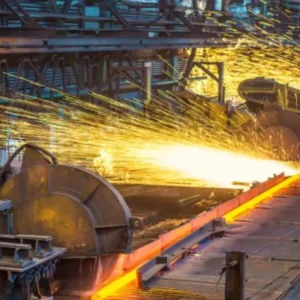
Aluminum nickel copper bars are manufactured through processes such as extrusion, rolling, forging, and casting. Advanced heat treatment techniques are often applied to achieve desired mechanical properties and microstructures. Manufacturers adhere to international standards to ensure quality, consistency, and performance. These standards specify chemical composition, mechanical properties, dimensional tolerances, and testing methods.
Quality control plays a crucial role in the production of aluminum nickel copper bars. Rigorous inspection and testing, including tensile testing, hardness measurement, and chemical analysis, ensure that the bars meet application-specific requirements. This reliability is essential for industries where material failure can lead to significant safety and financial risks.
Market Demand and Future Outlook
The global demand for aluminum nickel copper bars continues to grow, driven by increasing emphasis on lightweight materials, energy efficiency, and durability. Industries are seeking alternatives to heavier metals like steel without compromising strength or performance, and aluminum-based alloys are meeting this need effectively.
Technological advancements in alloy development and manufacturing processes are expected to further enhance the properties of aluminum nickel copper bars. Innovations aimed at improving recyclability and reducing environmental impact are also shaping the future of this market. As sustainability becomes a priority, aluminum alloys with long service life and high recyclability will gain even greater importance.
Conclusion
Aluminum nickel copper bars represent a high-performance alloy solution that combines the best qualities of aluminum, nickel, and copper. Their excellent strength-to-weight ratio, corrosion resistance, thermal stability, and versatility make them indispensable across multiple industries. As engineering demands evolve and industries push for more efficient and durable materials, aluminum nickel copper bars are poised to remain a critical component in modern manufacturing and infrastructure development.