


Aerospace bars Essential Materials for High-Performance Aviation and Space Applications
Product Menu
- Steel Bar
- Powder High-speed Steel
- Aerospace Alloy Bar
- Aerospace Alloy Sheet
- Titanium Alloy Strip Coil/Sheet/Foil
- Titanium Alloy Pipe and Fitting
- Aluminum Strip Coil/Sheet
- Stainless Steel Strip Coil/Sheet
- Hot-rolled Steel Strip Coil/Sheet
- Cold-rolled Steel Strip Coil/Sheet
- Galvanized Steel Strip Coil/Sheet
- Color-coated Steel Strip Coil/Sheet
- Seamless Steel Pipe
- Welded Steel Pipe
- H-shaped Steel
- Angle Steel/Channel Steel
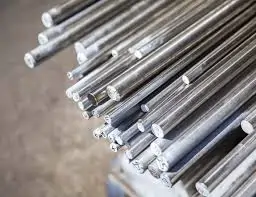
The Aerospace bars industry is one of the most demanding sectors in the world, requiring materials that can withstand extreme temperatures, immense pressure, corrosion, and continuous mechanical stress. Among the critical raw materials used in this industry, aerospace bars play a vital role. These precision-engineered metal bars form the backbone of aircraft structures, engines, landing gear, and space exploration systems, where safety and performance are non-negotiable.
What Are Aerospace Bars?
Aerospace bars are high-strength metal bars manufactured specifically to meet the rigorous standards of the aerospace and defense industries. They are produced in various shapes such as round, square, rectangular, and hexagonal forms, depending on the application. These bars are made from advanced alloys that provide exceptional strength-to-weight ratios, fatigue resistance, and durability.
Unlike standard industrial metal bars, aerospace bars must comply with strict international standards such as AMS (Aerospace Material Specifications), ASTM, and ISO certifications. Precision, consistency, and traceability are critical factors in their production.
Common Materials Used in Aerospace Bars
The choice of material for aerospace bars depends on the intended application and environmental conditions. Some of the most commonly used materials include:
1. Aluminum Alloys
Aluminum aerospace bars are widely used due to their lightweight properties and excellent corrosion resistance. Alloys such as 2024, 6061, and 7075 are commonly found in aircraft frames, fuselage structures, and wings.
2. Titanium Alloys
Titanium aerospace bars offer outstanding strength, heat resistance, and corrosion resistance while remaining relatively lightweight. Grades like Ti-6Al-4V are frequently used in jet engines, fasteners, and structural components exposed to high stress.
3. Nickel-Based Alloys
Nickel alloys such as Inconel and Hastelloy are essential for high-temperature applications. Aerospace bars made from these alloys are commonly used in turbine engines and exhaust systems where extreme heat and oxidation resistance are required.
4. Stainless Steel
Stainless steel aerospace bars provide excellent strength, toughness, and corrosion resistance. They are used in landing gear, fasteners, shafts, and structural reinforcements.
Key Properties of Aerospace Bars
Aerospace bars are engineered to deliver exceptional performance under demanding conditions. Some of their most important properties include:
High tensile strength to withstand heavy loads
Fatigue resistance for long service life
Heat and creep resistance for engine components
Corrosion and oxidation resistance in harsh environments
Dimensional accuracy for precision machining
These properties ensure the safety, reliability, and efficiency of aerospace systems.
Applications of Aerospace Bars
Aerospace bars are used in nearly every aspect of aircraft and spacecraft manufacturing. Key applications include:
Aircraft structural components such as frames, ribs, and spars
Jet engine parts including shafts, blades, and turbine discs
Landing gear systems requiring exceptional toughness
Fasteners and connectors used in high-stress assemblies
Spacecraft components designed for extreme temperature and pressure variations
Each application demands strict adherence to engineering specifications and quality standards.
Manufacturing and Quality Control
The production of aerospace bars involves advanced manufacturing processes such as hot forging, cold drawing, heat treatment, and precision machining. Every step is carefully monitored to ensure consistency and performance.
Quality control is a critical aspect of aerospace bar manufacturing. Non-destructive testing methods such as ultrasonic testing, radiographic inspection, and magnetic particle testing are commonly used to detect internal or surface defects. Full material traceability ensures compliance with aerospace regulations and customer requirements.
Importance of Standards and Certifications
Compliance with aerospace standards is essential for aerospace bars. Certifications such as AS9100, NADCAP, and ISO 9001 ensure that manufacturers follow best practices in quality management and production control. These certifications help aerospace companies maintain safety, reliability, and regulatory compliance throughout the supply chain.
Future Trends in Aerospace Bars
As aerospace technology continues to evolve, the demand for advanced materials is increasing. Lightweight alloys, improved titanium grades, and high-performance composites are driving innovation in aerospace bars. The growing focus on fuel efficiency, sustainability, and reusable space vehicles is also influencing material development.
Additive manufacturing and advanced machining techniques are expected to further enhance the design and performance of aerospace bars, allowing for greater customization and reduced material waste.
Conclusion
Aerospace bars are indispensable components in the aviation and space industries, offering unmatched strength, reliability, and performance. From aircraft structures to space exploration systems, these specialized metal bars ensure safety and efficiency in some of the most extreme environments known to engineering. As technology advances, aerospace bars will continue to play a crucial role in shaping the future of flight and space travel.
Lastest Posts List
OEM & ODM
Highly precise technical design team,the design and production of tailored solutions for you.
Contact
Related Posts
Order Steel Plates Online with...
How to Find the Steel...
EN10025 S355J0W Weathering Steel Price...
Seasonal Pricing for Galvanized Strip...
Midwest Steel Supply Expands Footprint...
ASTM Standards Steel for Power...
Steel Fabrication for Power Infrastructure...

High Strength Steel for Transmission...
Steel Materials for Power Engineering...