


Industrial Grade Steel Supplier: Structural Steel Sourcing for Contractors in the USA
Industrial Grade Steel Supplier: Structural Steel Sourcing for Contractors in the USA
When it comes to large-scale construction, infrastructure, or fabrication projects, the quality of steel determines everything—from load-bearing performance to long-term durability and safety compliance. For contractors, builders, and engineering firms across the United States, working with a trustworthy industrial grade steel supplier is not just a purchasing decision; it is a strategic partnership that directly impacts timelines, budgets, and client satisfaction. As demand grows for faster project delivery, custom steel processing, and bulk availability, sourcing structural steel efficiently has become a competitive advantage.
In this article, we explore what defines a reliable industrial steel supplier, why U.S. contractors depend on structural steel sourcing partnerships, and how to streamline procurement for long-term success.
What Is an Industrial Grade Steel Supplier?
An industrial grade steel supplier is a company that provides high-strength steel products designed for commercial, industrial, and infrastructure applications. These suppliers work with construction companies, metal fabricators, manufacturers, and engineering firms to deliver materials that meet strict industry standards such as ASTM, SAE, and AISI.
Typical product categories include:
-
Structural steel shapes (H-beam, I-beam, channel, angle iron)
-
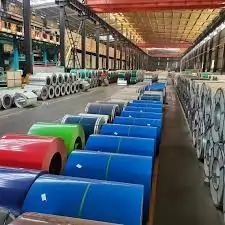
Steel sheets & coils (hot-rolled, cold-rolled, galvanized, pickled & oiled)
-
Steel plates (A36, A572, AR plates, high-strength alloy plates)
-
Steel pipes & tubing (ERW, seamless, HSS square & rectangular tubing)
-
Rebar and reinforcement materials
-
Fabrication-ready steel with cutting, bending, drilling, and forming services
These suppliers offer bulk quantities, fast delivery timelines, custom processing, and compliance documentation required for heavy-duty commercial use.
Why Contractors Need Reliable Structural Steel Sourcing
1. Steel Quality Directly Impacts Project Safety
General contractors must ensure compliance with building codes and structural engineering requirements. Poor-quality steel risks:
-
Load-bearing failure
-
Welding defects
-
Rust and corrosion issues
-
Structural instability
Industrial suppliers provide mill test reports (MTRs), certifications, and traceability to keep projects compliant and safe.
2. Bulk Steel Availability Reduces Project Delays
Large construction projects—bridges, industrial buildings, warehouses, residential towers—require consistent steel supply across multiple phases. Contractors need a dependable partner who can:
-
Maintain inventory
-
Deliver large orders quickly
-
Provide repeat supply over long timelines
A shortage at the wrong time can stall the entire construction schedule.
3. Cost Savings Through Wholesale Steel Procurement
Working with established industrial steel distributors gives contractors access to:
-
Bulk pricing
-
Volume discounts
-
Contract-based supply
-
Wholesale rates
-
Lower logistics costs through local or regional distribution centers
These cost efficiencies significantly reduce project expenses on multi-ton steel purchases.
4. Custom Steel Processing Saves Time
Many industrial suppliers offer value-added services, including:
-
CNC plasma cutting
-
Precision laser cutting
-
Saw cutting
-
Forming and bending
-
Punching and drilling
-
Shearing
-
Custom fabrication
This eliminates the need for contractors to arrange processing separately, speeding up installation and reducing labor costs.
Key Qualities to Look for in an Industrial Grade Steel Supplier
1. Large Inventory and Variety
A reliable supplier should stock:
-
Structural beams
-
Flat sheets
-
Coils
-
Tubing
-
Plates
-
Rebar
-
Galvanized and stainless steel
This allows contractors to source all materials from a single provider.
2. Compliance With U.S. Standards
Look for suppliers that follow:
-
ASTM structural steel standards
-
AISI specifications
-
ISO certified processes
-
Weldability and tensile strength requirements
Proper documentation ensures safe and approved construction.
3. Strong Midwest and Nationwide Distribution
For U.S. contractors—especially in construction-heavy states like Illinois, Michigan, Ohio, Wisconsin, and Minnesota—having a Midwest steel supply partner ensures:
-
Shorter transit times
-
Lower freight costs
-
Faster emergency deliveries
Proximity matters when steel is required urgently.
4. Wholesale Pricing and Contract Supply
Contractors benefit when suppliers offer:
-
Fixed pricing agreements
-
Bulk order discounts
-
Long-term procurement arrangements
-
Flexible payment terms
This helps manage budgets for multi-month or multi-year projects.
5. Processing and Fabrication Support
Suppliers with in-house processing capabilities allow contractors to receive materials ready for installation, minimizing delays.
Structural Steel Sourcing for Contractors: Best Practices
1. Plan Material Requirements Early
Develop a detailed steel requirement schedule that includes:
-
Dimensions of beams, channels, and plates
-
Tonnage requirements
-
Timeline for each construction phase
-
Steel grade specifications
-
Coating or finishing requirements
Early planning reduces procurement pressure later.
2. Choose a Supplier With Regional Warehousing
Midwest contractors should ideally choose suppliers with hubs in:
-
Chicago
-
Detroit
-
Indianapolis
-
Milwaukee
-
Minneapolis
-
Cleveland
Local warehouses ensure quicker lead times and emergency replacements.
3. Request Mill Test Reports (MTRs)
Always verify:
-
Chemical composition
-
Tensile strength
-
Yield strength
-
Coating thickness (for galvanized steel)
-
Heat numbers
This guarantees that the steel meets engineering requirements.
4. Compare Wholesale Pricing
Contractors should evaluate:
-
Per-ton pricing
-
Processing charges
-
Delivery fees
-
Minimum order quantities
-
Contract pricing options
Bulk pricing can greatly lower project costs.
5. Ensure the Supplier Provides Logistics Support
Reliable distributors offer:
-
Route planning
-
In-house fleet
-
Liftgate services
-
Same-day or next-day shipping for urgent loads
Efficient transportation reduces downtime at job sites.
Why Midwest Contractors Prefer Regional Steel Suppliers
The Midwest is one of the largest steel consumption zones in the USA due to:
-
Heavy manufacturing
-
Automotive sector
-
Large-scale infrastructure projects
-
Industrial construction
-
Commercial developments
For these sectors, Midwest steel suppliers provide:
-
Competitive local pricing
-
Faster lead times
-
High availability of industrial-grade steel
-
Access to hot-rolled, cold-rolled, and galvanized stock
-
Custom cutting and fabrication services
This makes them the first choice for builders and engineering firms across the region.
Applications of Industrial Grade Steel in Construction
Contractors rely on industrial steel for:
Structural Frames
-
High-rise buildings
-
Industrial plants
-
Warehouses
-
Stadiums
-
Parking structures
Infrastructure
-
Bridges
-
Highways
-
Rail systems
Fabrication Projects
-
Platforms
-
Steel mezzanines
-
Machinery bases
-
Support structures
Commercial Construction
-
Retail centers
-
Distribution facilities
-
Office complexes
These applications require steel that is strong, certified, and consistently sourced.
Benefits of Partnering With a Dedicated Industrial Grade Steel Supplier
-
Guaranteed quality
-
Predictable pricing
-
Faster procurement cycles
-
Reduced project risk
-
Access to technical support
-
Streamlined supply chain
-
Better inventory planning
Over time, this relationship becomes a core asset for contractors competing in fast-moving markets.
Final Thoughts
For U.S. contractors and construction companies, having a dependable industrial grade steel supplier is mission-critical. From structural steel beams to galvanized sheets, reliable sourcing ensures your projects stay on schedule, stay compliant, and remain cost-efficient. By working with a wholesale-focused supplier—especially one based in the Midwest—contractors gain access to large inventories, custom processing, predictable pricing, and fast delivery that keeps job sites moving.
Related Posts

Buy a Variety of Metal...
Hot-rolled H-shaped Steel - Mid...
Shanghai Liying Industrial Co., Ltd.:...
American Steel Manufacturers: A Pillar...
Midwestern Metals: The Trusted Name...