


Steel for Manufacturing Plants: Choosing the Right Industrial Grade Steel Supplier for Contractors
Steel for Manufacturing Plants: Choosing the Right Industrial Grade Steel Supplier for Contractors
Steel is the backbone of American manufacturing, powering production lines, industrial machinery, storage systems, automation equipment, and facility infrastructure. Manufacturing plants rely on high-strength, precisely engineered structural steel to ensure durability, safety, and long-term performance. Whether a project involves building a new factory, expanding an existing plant, or replacing heavy equipment, the quality of steel directly affects efficiency, reliability, and operational uptime.
In the construction and industrial sectors, contractors and engineering firms must partner with an industrial grade steel supplier capable of delivering certified structural steel products that meet strict ASTM standards. From heavy plate to square tubing, hot-rolled beams, and galvanized sheets, choosing the right supplier ensures access to high-performance materials that keep manufacturing operations strong and compliant.
Why Manufacturing Plants Depend on High-Quality Steel
Manufacturing environments place extreme mechanical stress on steel components. Equipment frames, mezzanines, conveyor systems, and storage racks must withstand constant vibration, heavy loads, temperature fluctuations, and 24/7 operation. Low-quality steel can cause structural failures, misalignment, or premature wear, disrupting the production process.
Key uses of steel in manufacturing plants include:
• Structural frameworks for buildings and expansions
• Platforms, walkways, ladders, and industrial safety structures
• Conveyor systems and material-handling equipment
• Steel tanks, pressure vessels, and storage units
• Racking systems and warehouse shelving
• Support frames for machinery and robotics
• Utility infrastructure such as ducts, piping, and cable trays
• Automotive and heavy equipment assembly systems
In these applications, steel must meet consistency, weldability, strength, and corrosion-resistance standards. This is why industrial grade steel suppliers play a central role in plant construction and upgrades.
What Defines an Industrial Grade Steel Supplier?
An industrial grade steel supplier provides high-quality, certified steel materials specifically designed for demanding industrial and construction environments. Unlike retail steel sellers, industrial suppliers offer:
• Large inventories of structural steel
• Bulk and wholesale pricing
• ASTM-certified materials
• Mill Test Reports (MTRs)
• Processing and fabrication services
• Fast regional delivery
• Custom cutting, forming, and drilling
They serve manufacturing plants, contractors, metal fabricators, heavy industries, and engineering firms that require steel meeting precise performance specifications.
Industrial-grade steel suppliers typically stock:
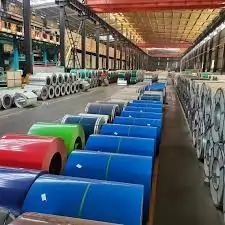
• Hot-rolled steel sheets, coils, and plates
• Cold-rolled steel products
• Galvanized steel sheets
• Mild steel plates (A36, A572, A516, etc.)
• Structural beams like H-beam, I-beam, channel steel, angle iron
• Square and rectangular steel tubing
• Stainless steel and alloy steel
• Expanded metal, perforated sheets, and custom parts
This range allows contractors and plant managers to source all necessary materials from a single, reliable supplier.
Benefits of Working with a Trusted Steel Supplier for Manufacturing Plants
Consistent Quality and Certification
Manufacturing projects demand materials that meet engineering-grade requirements. A trusted supplier ensures every item comes with proper documentation, chemical composition details, and performance standards.
Fast and Reliable Lead Times
Downtime in manufacturing environments is extremely costly. Reliable steel suppliers maintain large inventories and offer same-day or next-day delivery for urgent orders, especially in regions such as the Midwest.
Wholesale Pricing for Large Projects
Manufacturing facility construction often requires hundreds of tons of steel. Industrial suppliers offer bulk discounts, contract pricing, and long-term procurement contracts that reduce overall material costs.
Custom Processing and Fabrication
With services like CNC cutting, drilling, bending, plasma cutting, and forming, contractors receive materials ready for installation. This shortens project timelines and reduces labor expenses.
Strong Technical Support
Contractors benefit from guidance on selecting proper steel grades, thicknesses, corrosion treatments, and structural shapes based on the project’s load requirements and environmental conditions.
Structural Steel Sourcing for Contractors
Steel contractors working on manufacturing plants, warehouses, industrial buildings, and commercial projects need a streamlined sourcing strategy. Structural steel represents a major portion of the construction budget, so reliability and cost control are essential.
Here are the key considerations for contractors when sourcing structural steel:
Inventory Availability
Large structures require continuous steel supply—beams, channels, plates, and tubing must be available in the right dimensions and grades. Suppliers with regional warehouses reduce lead times dramatically.
Price Stability
Market fluctuations in hot-rolled coil prices, galvanized steel costs, and plate steel pricing can affect project budgets. Working with a wholesale distributor offers more stable and predictable pricing.
Cut-to-Length and Fabrication Services
Contractors save significant time when the supplier handles the fabrication side. Cut-to-length beams, drilled plates, and pre-formed shapes lower installation times and reduce site labor.
ASTM Standard Compliance
Every structural element in a manufacturing facility must meet engineering requirements. Ensure that the supplier consistently provides mill certifications and follows ASTM standards for structural steel.
Fast Logistics and Delivery
Contractors work with tight schedules. Reputable suppliers offer rapid delivery with in-house fleets, route optimization, and the ability to ship large loads anywhere in the region.
Choosing a Supplier for Manufacturing Plant Steel Projects
Manufacturing facilities require materials tailored for heavy industrial use. Contractors should choose suppliers with expertise in industrial construction. Ideal partners typically offer:
• Experience working with manufacturers and large industrial clients
• High-volume inventories of beams, tubes, and plates
• Skilled technical teams
• Customized cutting and fabrication options
• Domestic steel sourcing when required
• Competitive wholesale pricing
• Strong Midwest and nationwide distribution networks
A supplier experienced in serving manufacturing facilities understands the special requirements of automation equipment, overhead cranes, mezzanine loads, and high-traffic industrial floors.
Types of Steel Commonly Used in Manufacturing Plants
Hot-Rolled Steel
Used for structural frames, support beams, brackets, and platforms. Hot-rolled steel provides durability and excellent weldability.
Galvanized Steel
Used for corrosion-resistant applications like ducts, outdoor structures, and equipment exposed to moisture and chemicals.
Square and Rectangular Tubing
Used for machine frames, conveyor supports, guardrails, racks, and assembly line structures. HSS tubing offers a superior strength-to-weight ratio.
Steel Plate
Used for heavy machinery bases, industrial flooring, tank fabrication, and pressure-rated components.
Structural Beams
H-beams, I-beams, and channel steel form the backbone of industrial buildings, cranes, mezzanines, and heavy platforms.
Each type must be sourced from verified, quality-controlled suppliers to ensure reliability in harsh industrial settings.
Why Midwest Contractors Prefer Local Steel Distributors
The Midwest is a major manufacturing hub with thousands of factories, warehouses, and automotive facilities. Contractors in this region rely heavily on steel distributors that provide:
• Fast delivery across state lines
• Large structural steel inventories
• Lower transportation expenses
• Familiarity with local building codes
• Bulk and contract supply options
States such as Michigan, Ohio, Illinois, Wisconsin, Indiana, and Minnesota have high demand for industrial-grade steel, making regional suppliers an essential part of the supply chain.
Conclusion
Manufacturing plants require steel that delivers superior strength, durability, and reliability. Contractors working on industrial facilities need an industrial grade steel supplier capable of providing certified, ready-to-install materials at wholesale prices. By partnering with a supplier that offers large inventories, fast delivery, custom fabrication, and strong technical support, contractors can ensure smooth project execution and long-term performance.
Related Posts

Buy a Variety of Metal...
Hot-rolled H-shaped Steel - Mid...
Shanghai Liying Industrial Co., Ltd.:...
American Steel Manufacturers: A Pillar...
Midwestern Metals: The Trusted Name...